✿ Winner · Lollypop Design Studio
24-hour in-person designathon, 2025
Lollypop Design Studio hosts India's largest, no-sleep 24-hour in-person designathon. Teams get a problem statement and must design and present a solution within a single day. My team built Inflow, and we won.
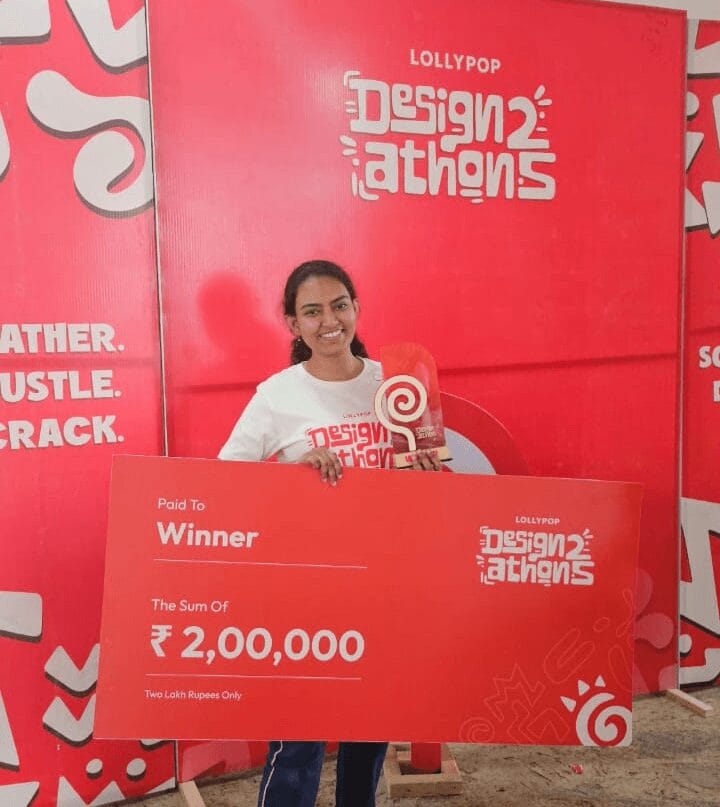
I came across the registration link through Lollypop Design Studio's LinkedIn post, and since I'd always wanted to take part in their designathon, I applied right away. Getting selected from thousands of applicants felt incredibly rewarding and exciting.
The day we met the brief
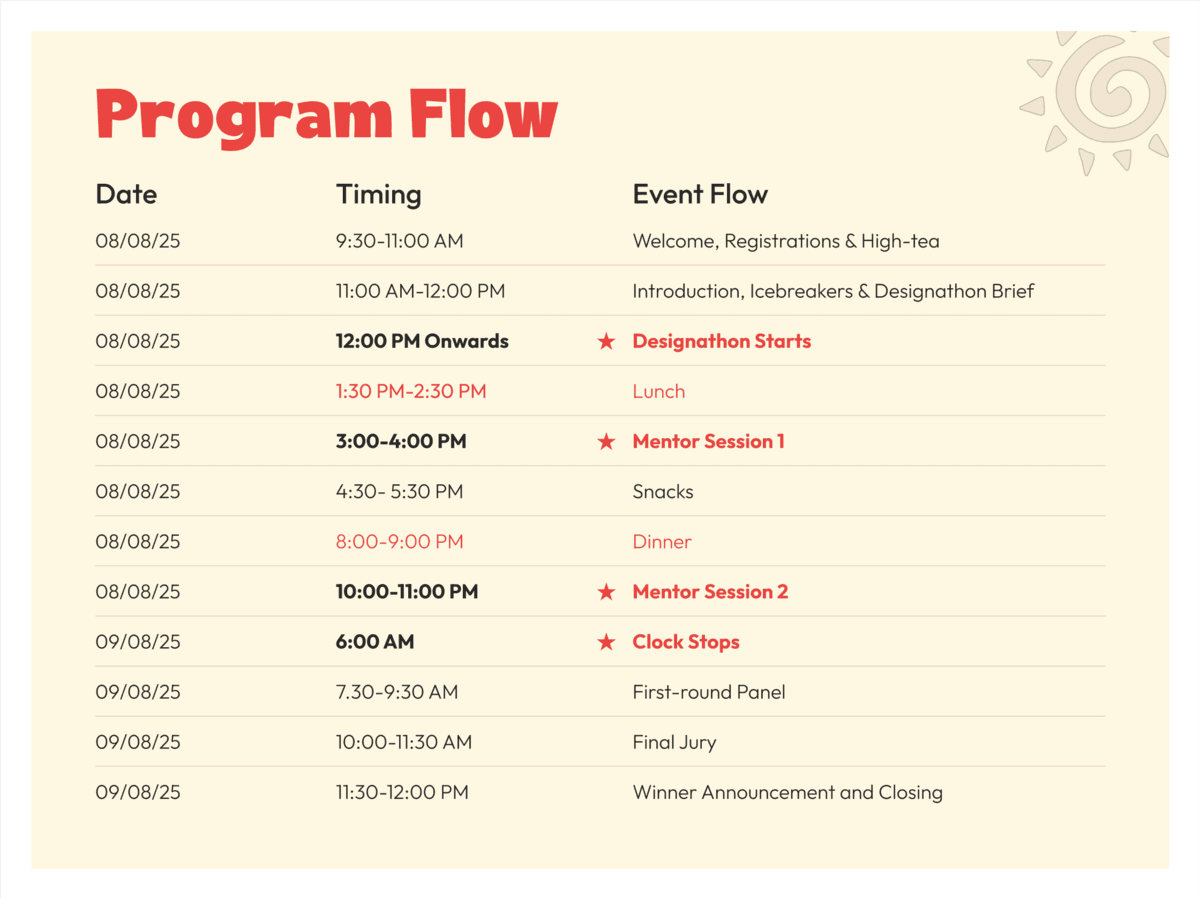
All of the participants met at the designathon for the first time. We waited eagerly to find out which team we'd be part of, meet our teammates, and finally learn what problem statement we'd be working on.
Team #4: Lotus Glow
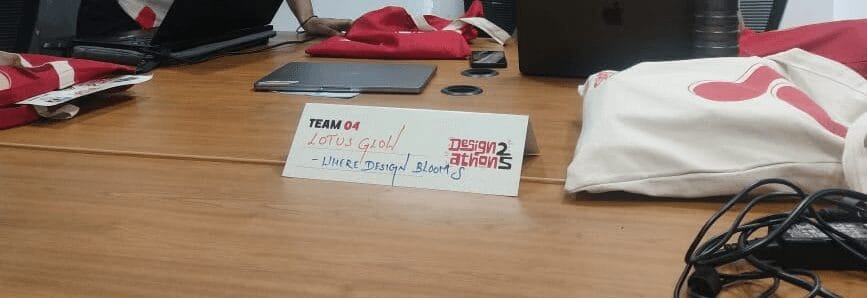
After the orientation and a quick chai break, we got to know our teammates. Our first task was to come up with a team name that reflected all our personalities, plus a tagline for our studio. We landed on "Lotus Glow", where design blooms.
The problem statement
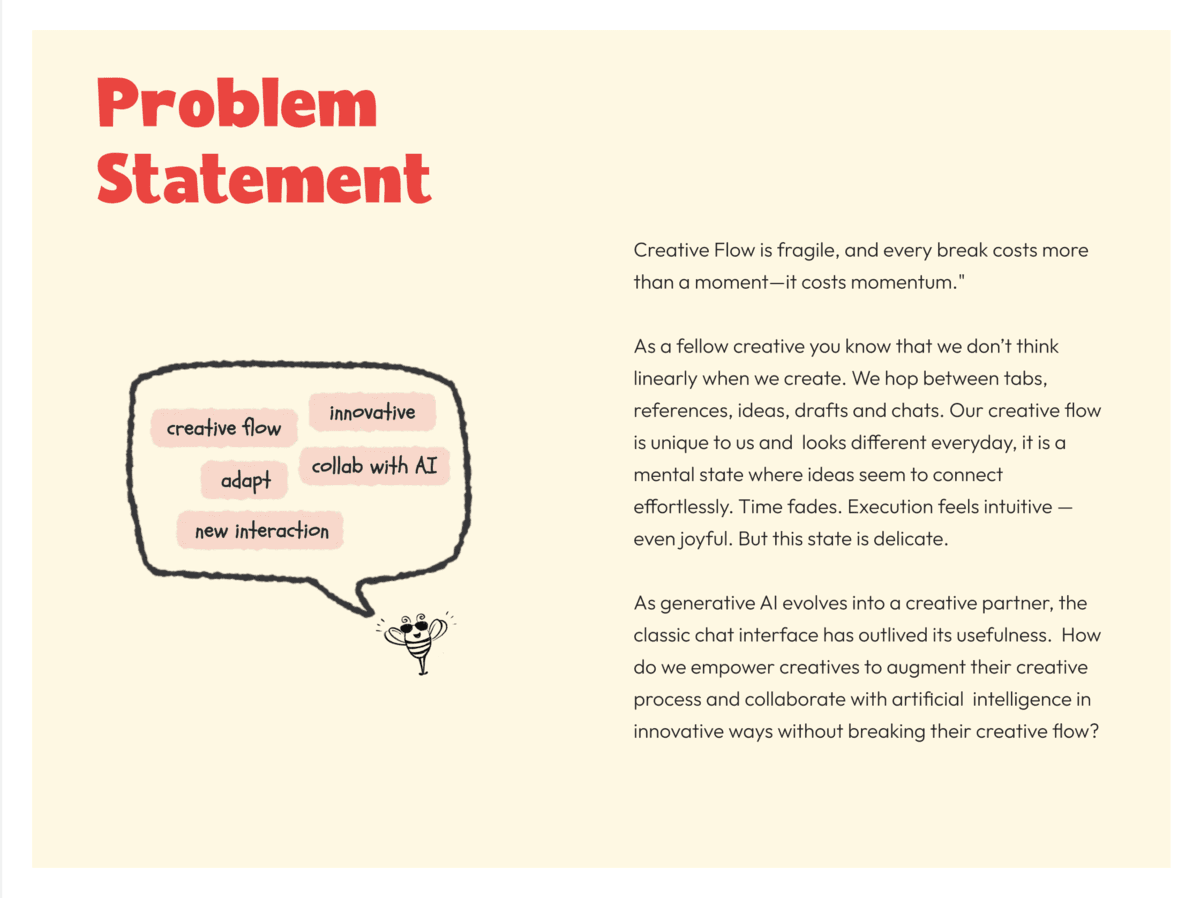
Creatives often lose their flow while switching between tools, tabs, and ideas. When this rhythm breaks, creativity itself slows down.
Generative AI is changing how we create, but chatbots aren't enough anymore. We needed to design a way for AI to become a true creative partner, one that adapts to a creator's process instead of interrupting it.
Our challenge
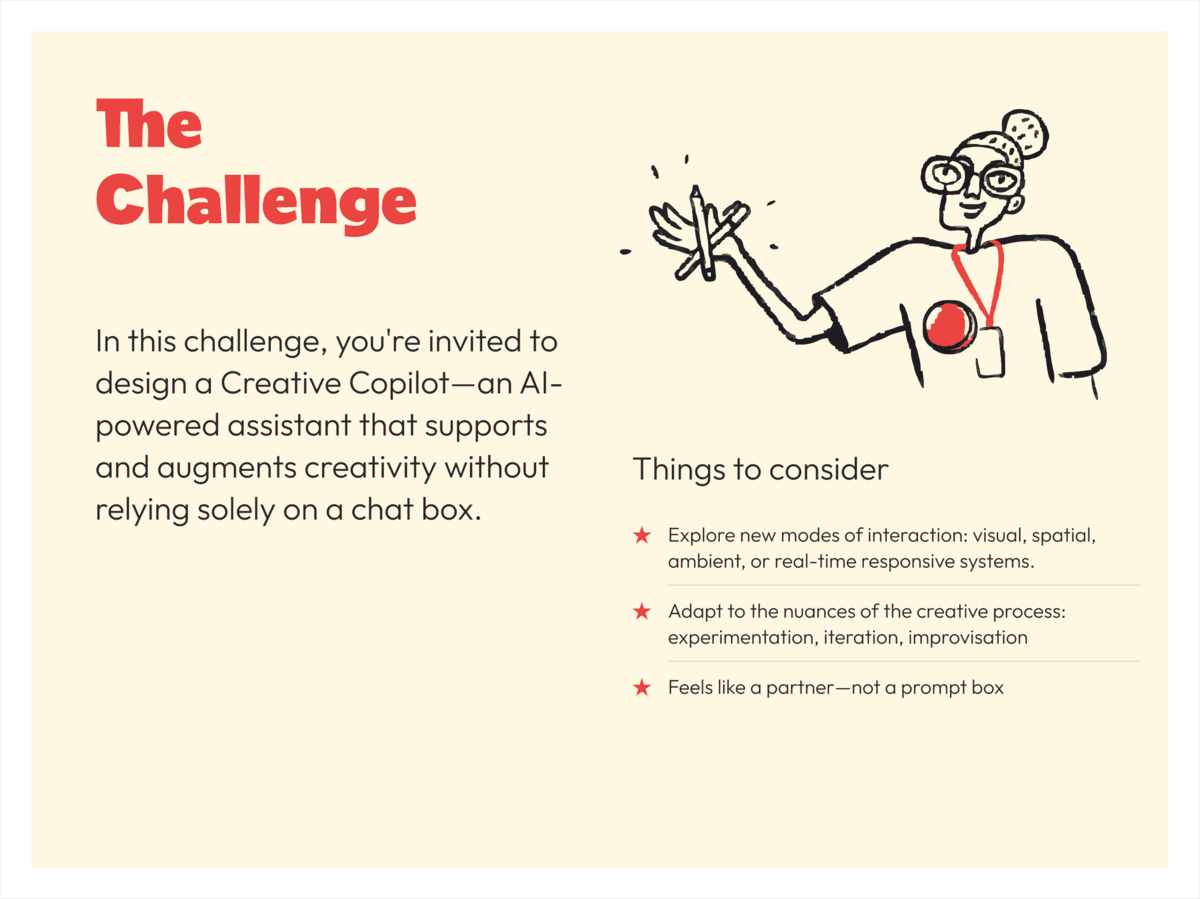
Design a Creative Copilot: an AI partner that helps creators stay in their flow without using a traditional chat interface.
It needed to feel like a real collaborator, responding visually, spatially, or in real time, and adapting naturally to how each creator works.
Our solution: Inflow
Inflow is an AI-assisted creative workspace built for musicians who often juggle scattered ideas, notes and recordings across multiple apps.
The platform captures inspiration instantly through a mobile widget that supports text, audio, images and videos. All ideas then come together in a shared Playground, where bandmates can explore and organise their creative material.
The Collaborate space lets musicians refine a track layer by layer, with AI offering optional suggestions while keeping the artist in full control. The Launch section supports release prep by generating videos, thumbnails, descriptions and titles.
In short, Inflow supports musicians through the entire creative process, from the first spark of an idea to a polished, ready-to-share track.

Finalising the user persona
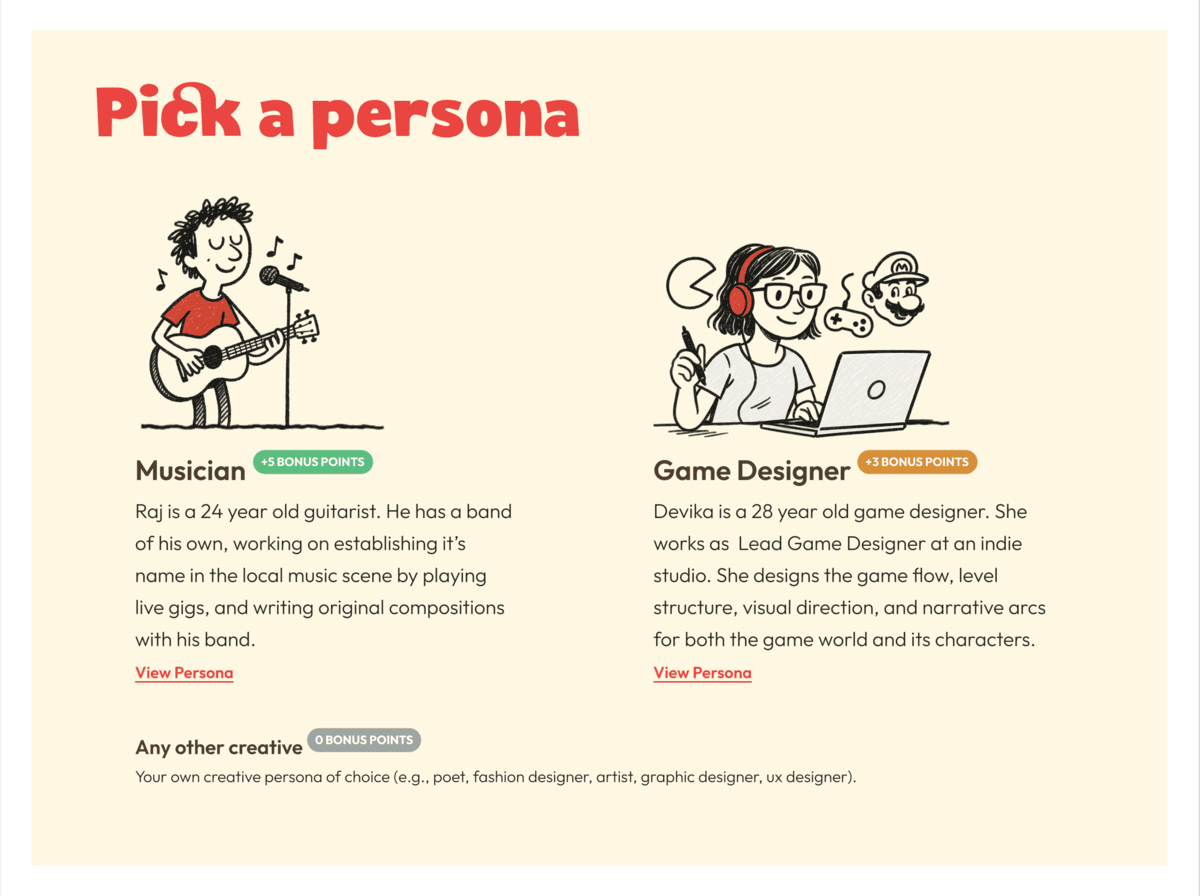
We began by discussing which persona to move ahead with. As most of us had experience in music ourselves, or knew people performing in bands and full-time musicians, we felt confident with the musician persona (and the +5 bonus points was a plus!).
Primary research: user interviews
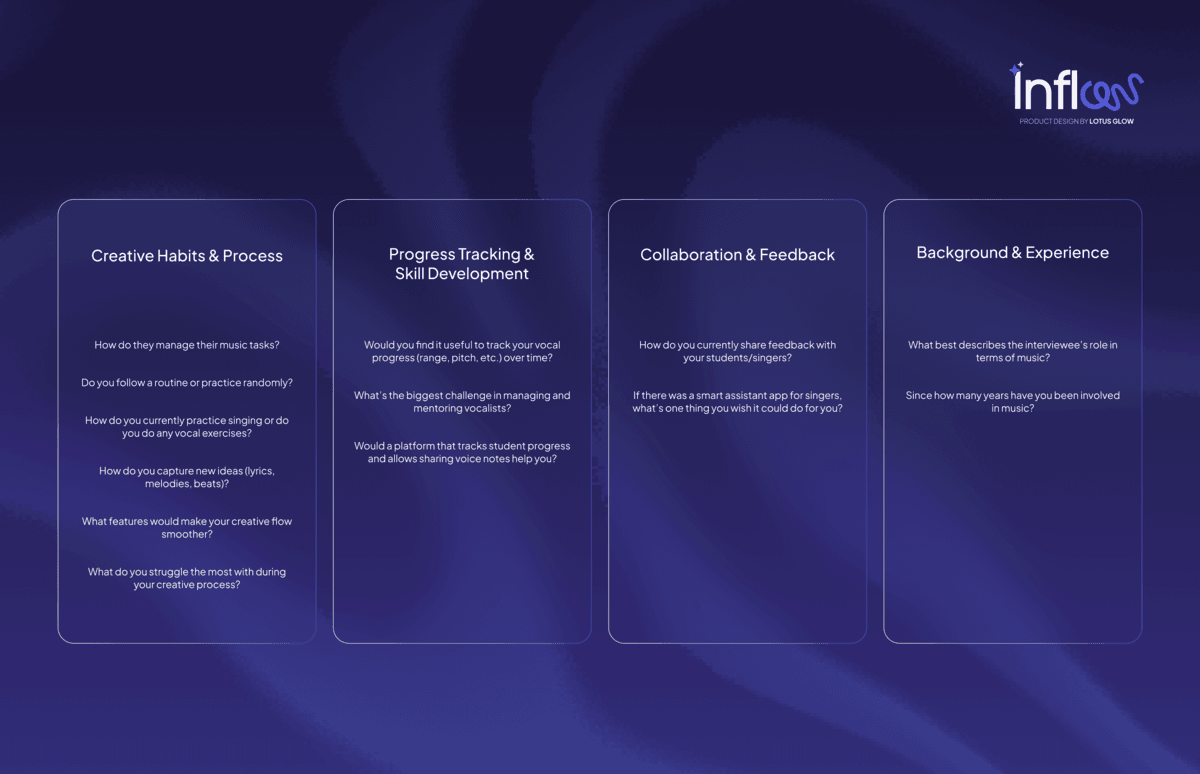
We brainstormed and researched online to map out everything we could ask our interview candidates. Below is the bank of questions we were curious about.
User interview insights
We ran telephonic interviews with 3 people.
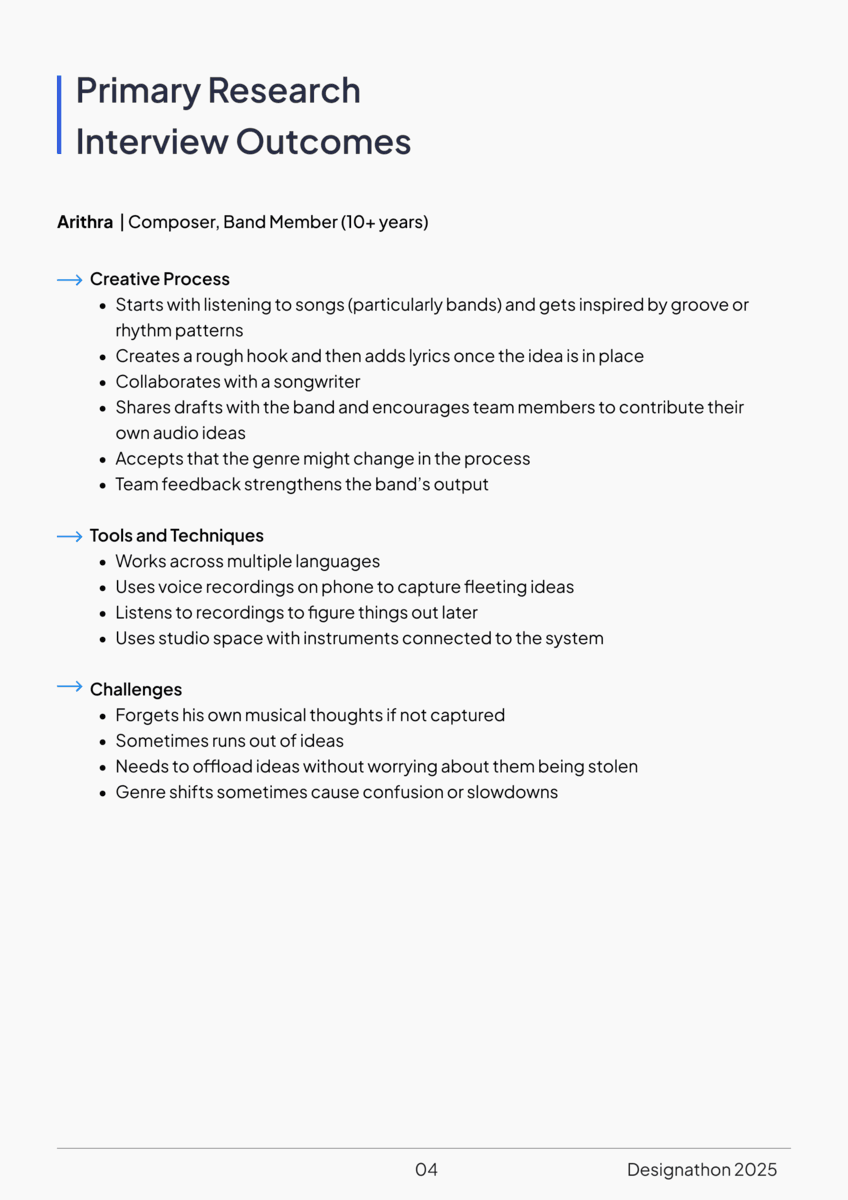
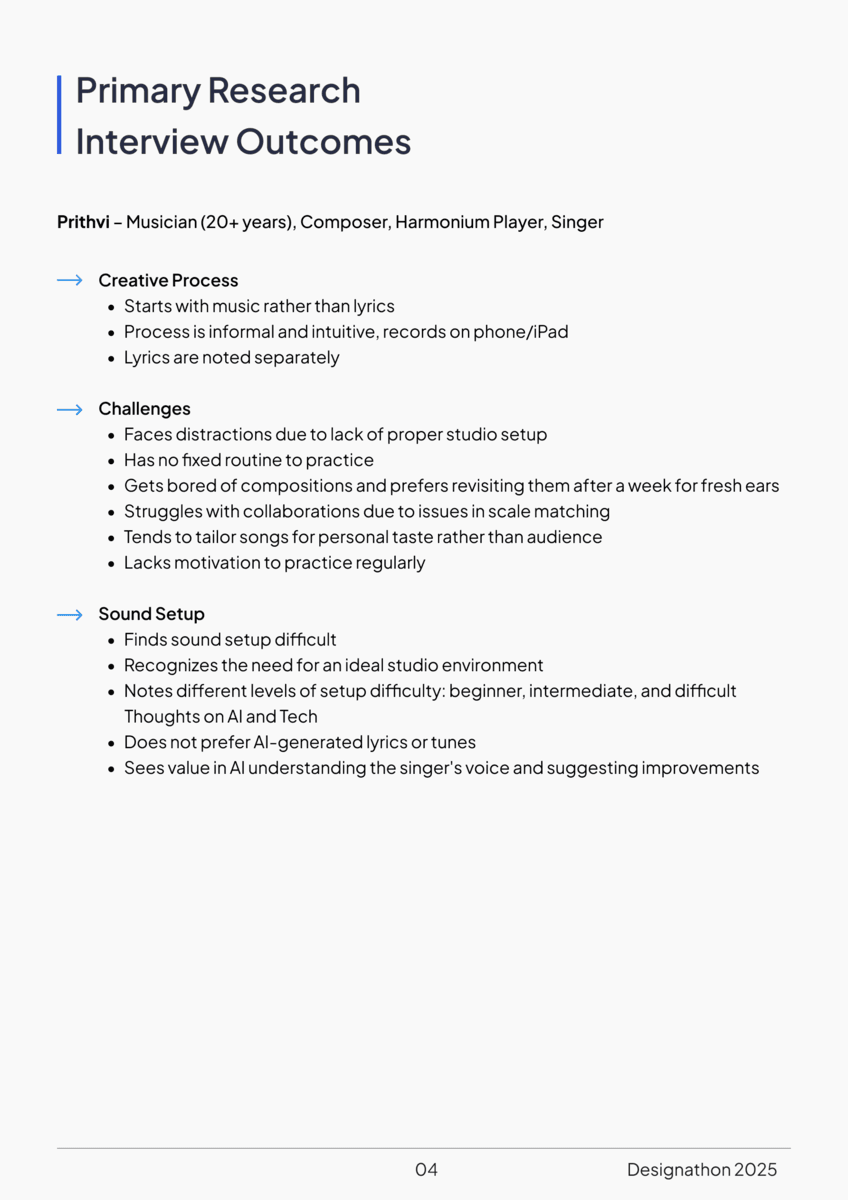
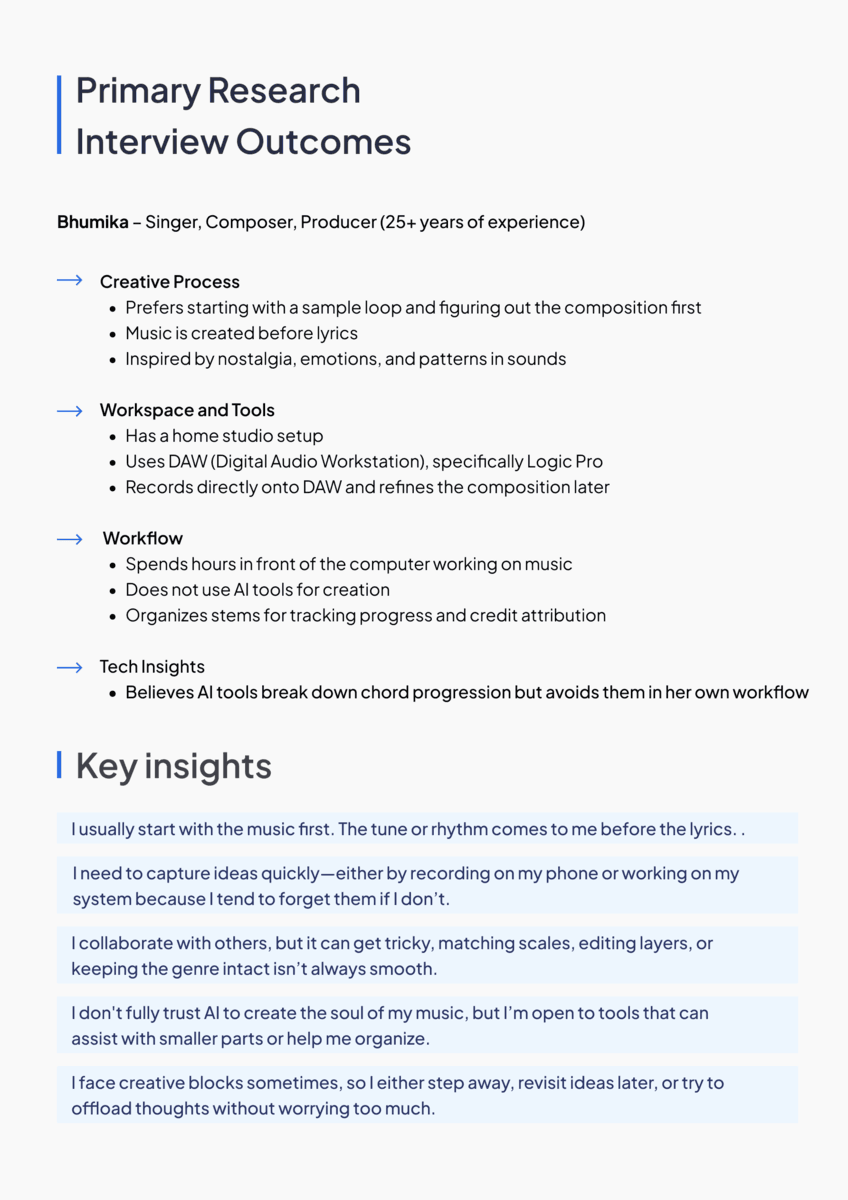
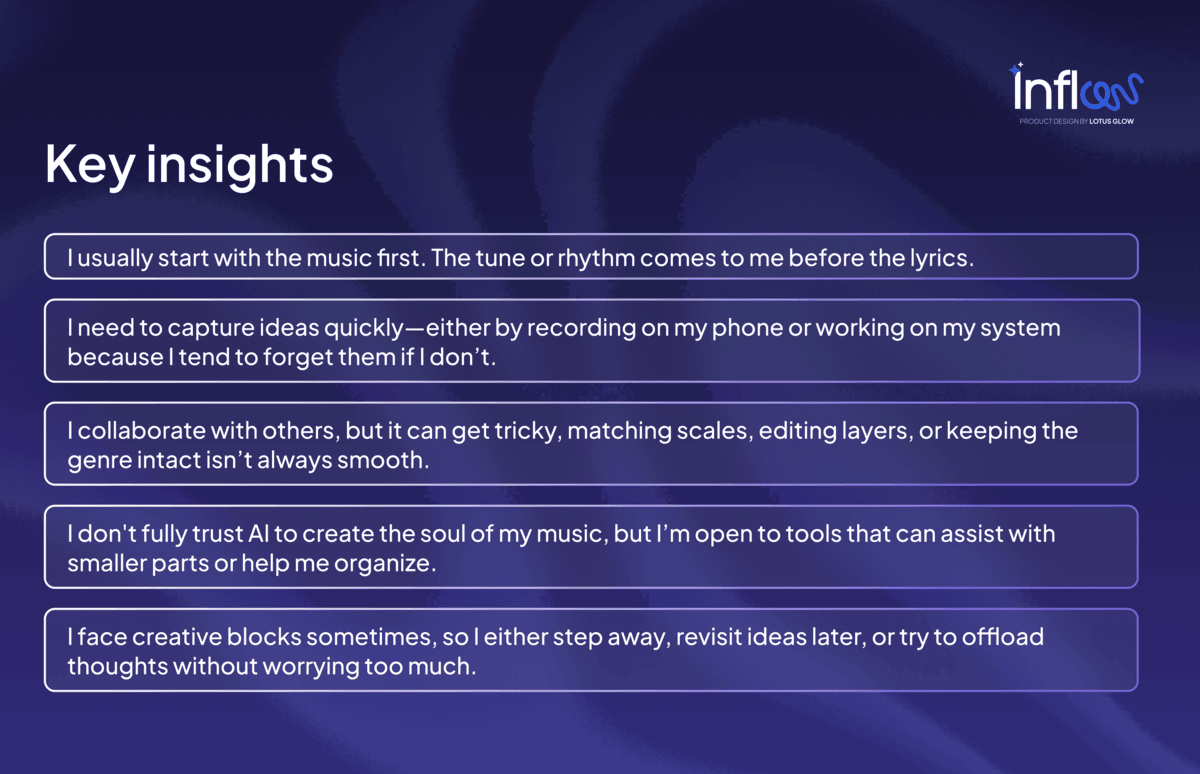
Key themes & user personas
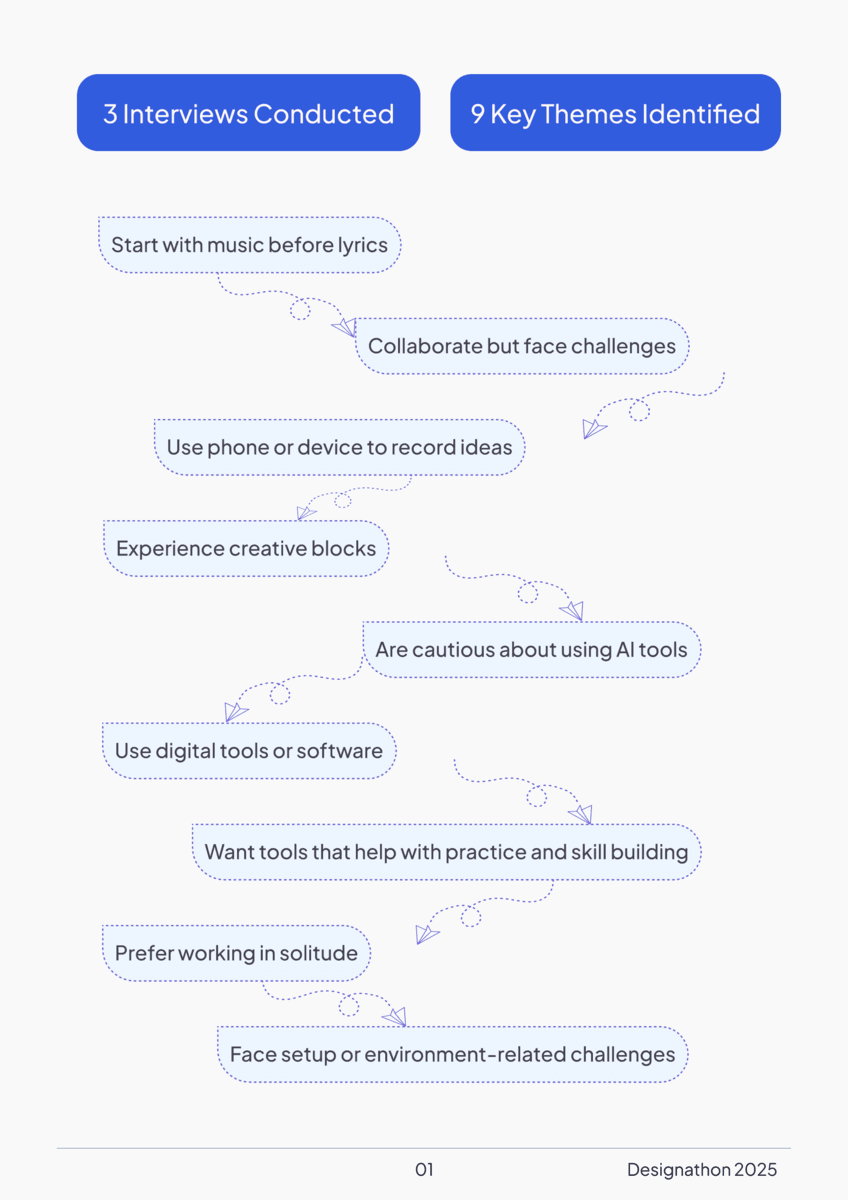
With our interview insights in hand, we identified key themes and created two user personas, combining everything we'd learned.
Two personas
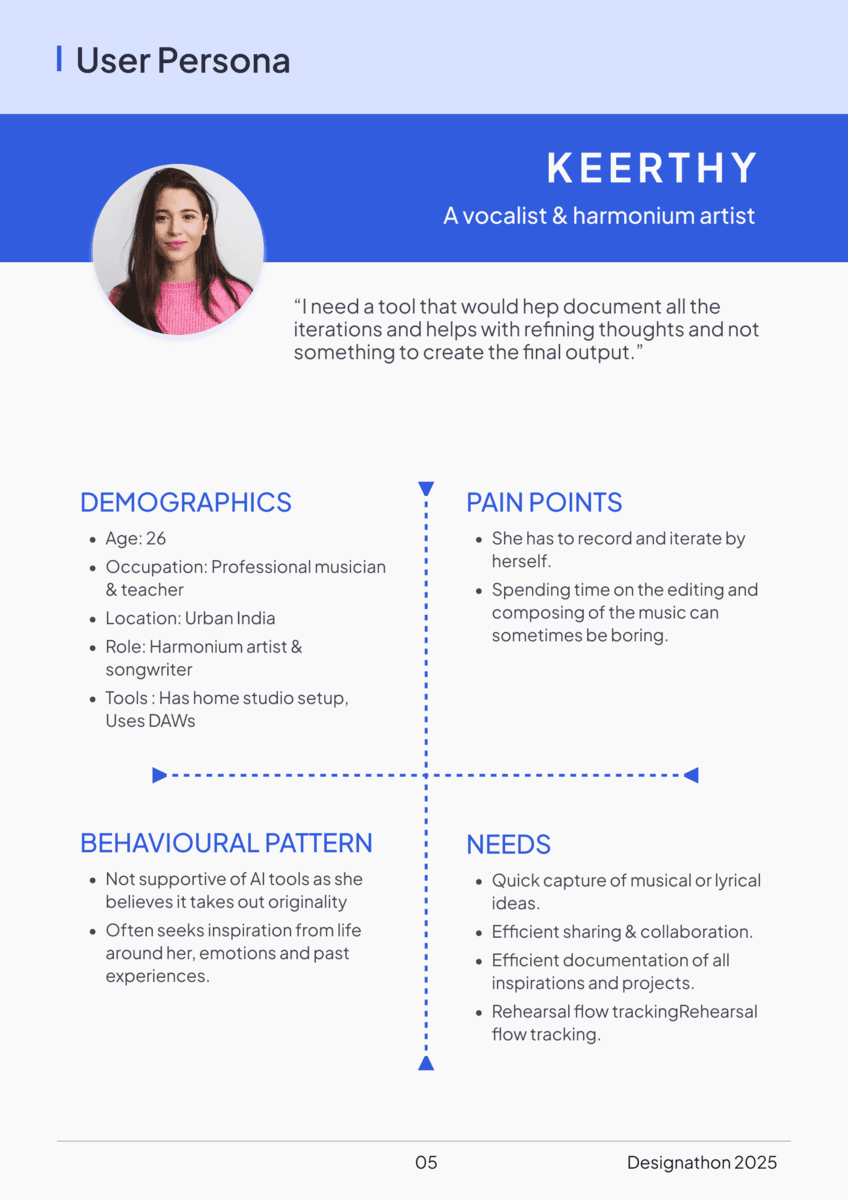
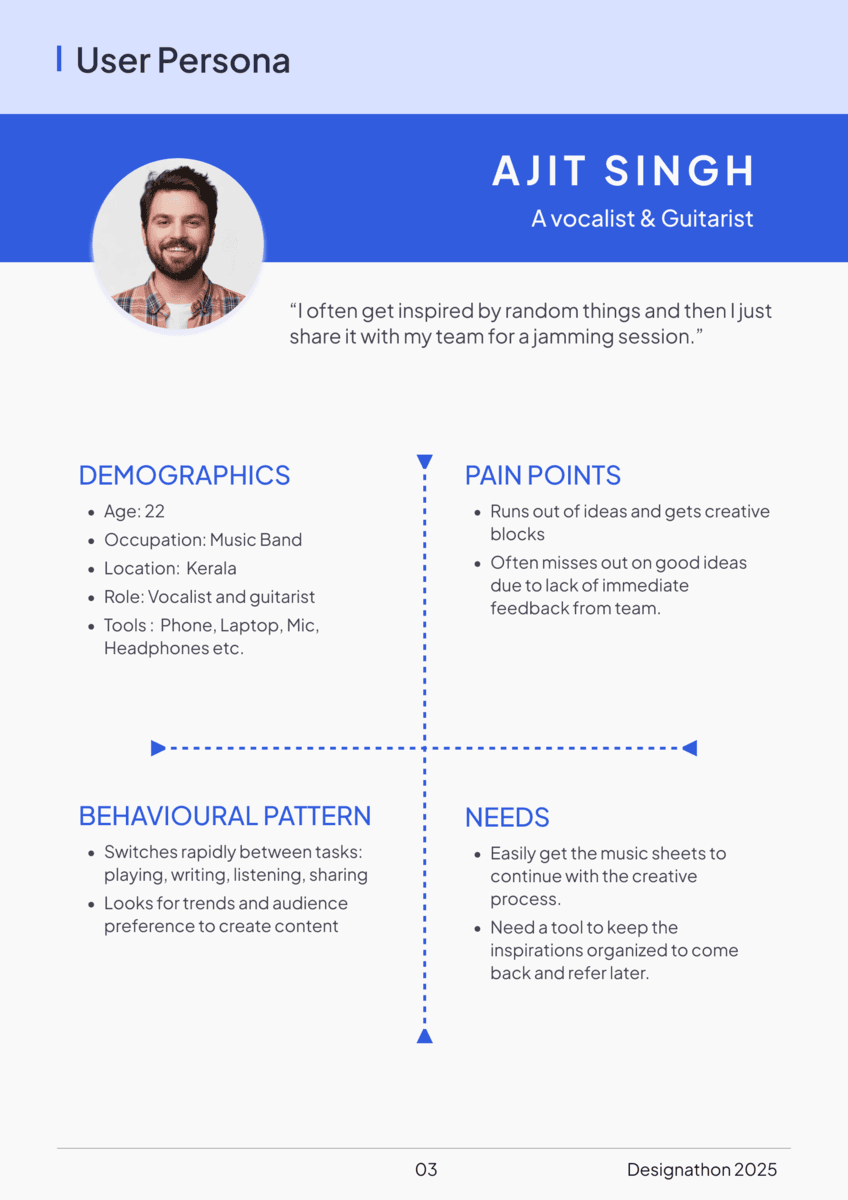
User journeys
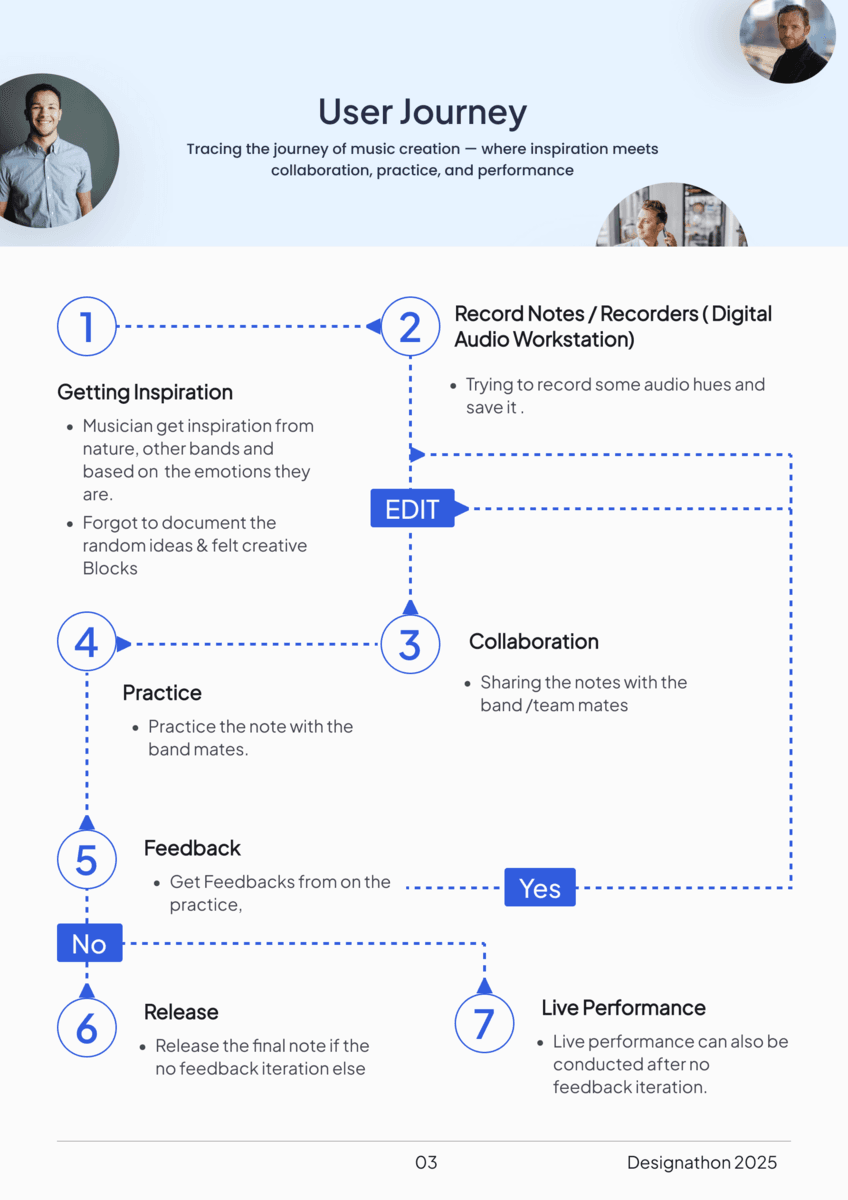
With our personas ready, we mapped out the user journey, spending a lot of time understanding it while ideating possible features and solutions.
Do not digress!!
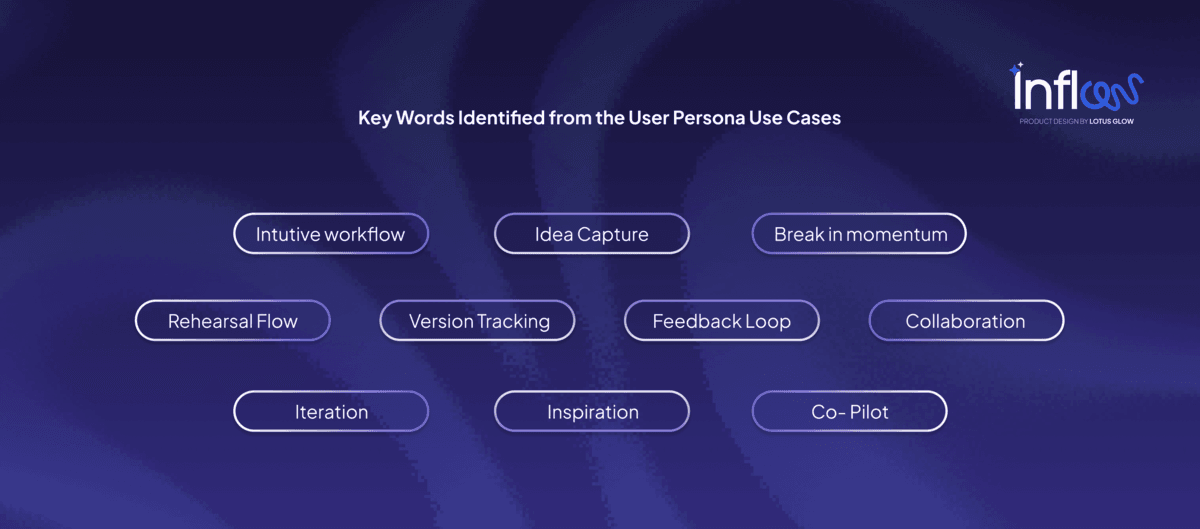
As we moved toward ideation, we kept going back to the persona, the use cases shared by the Lollypop team, and the problem statement, to surface the ideas buried in the use cases, and to make sure we didn't drift too far from the actual problem.
Competitive analysis
Building the journey gave us a sense of the solution and the features we wanted. But a thorough competitive analysis was important, to see what's already out there, and to find the USP that would set our product apart.
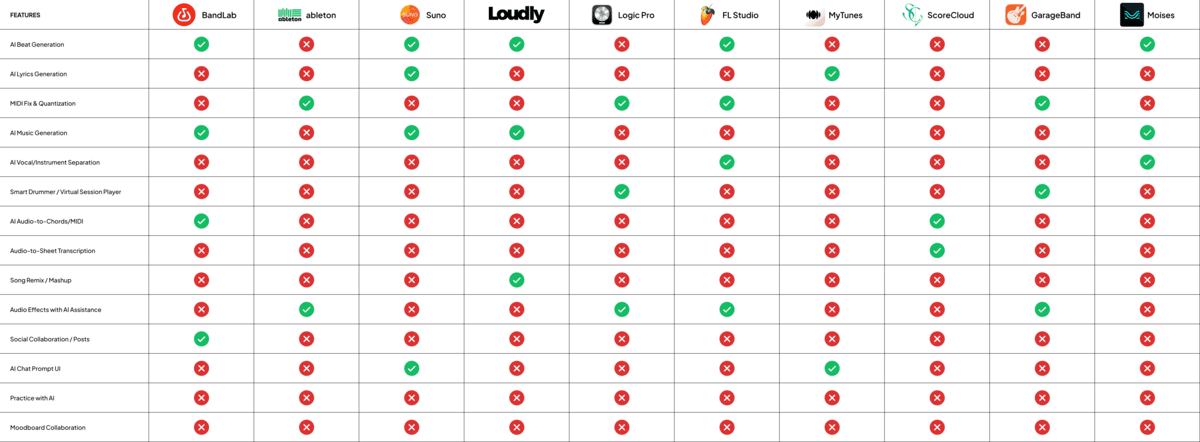
Most AI music tools focused on generating beats or lyrics rather than supporting a musician's creative process. They didn't account for how differently musicians brainstorm or store ideas, which often arrive at random times of the day or night.
None offered a way to capture and organise all creative inputs (notes, audio, references) in one place with the help of AI. And collaboration was a major gap: musicians couldn't easily share, give feedback, or iterate with their bandmates.
We designed features to address these gaps:
- Practice with AI: helps artists improve pitch and performance without taking over the creative process.
- Unified workspace: save notes, audio clips, and images that inspire you, all in one place.
- Collaborative moodboarding: share inspiration and progress with bandmates.
- AI-powered feedback: refine chords, lyrics, and production quality in a more cohesive way.
Ideation
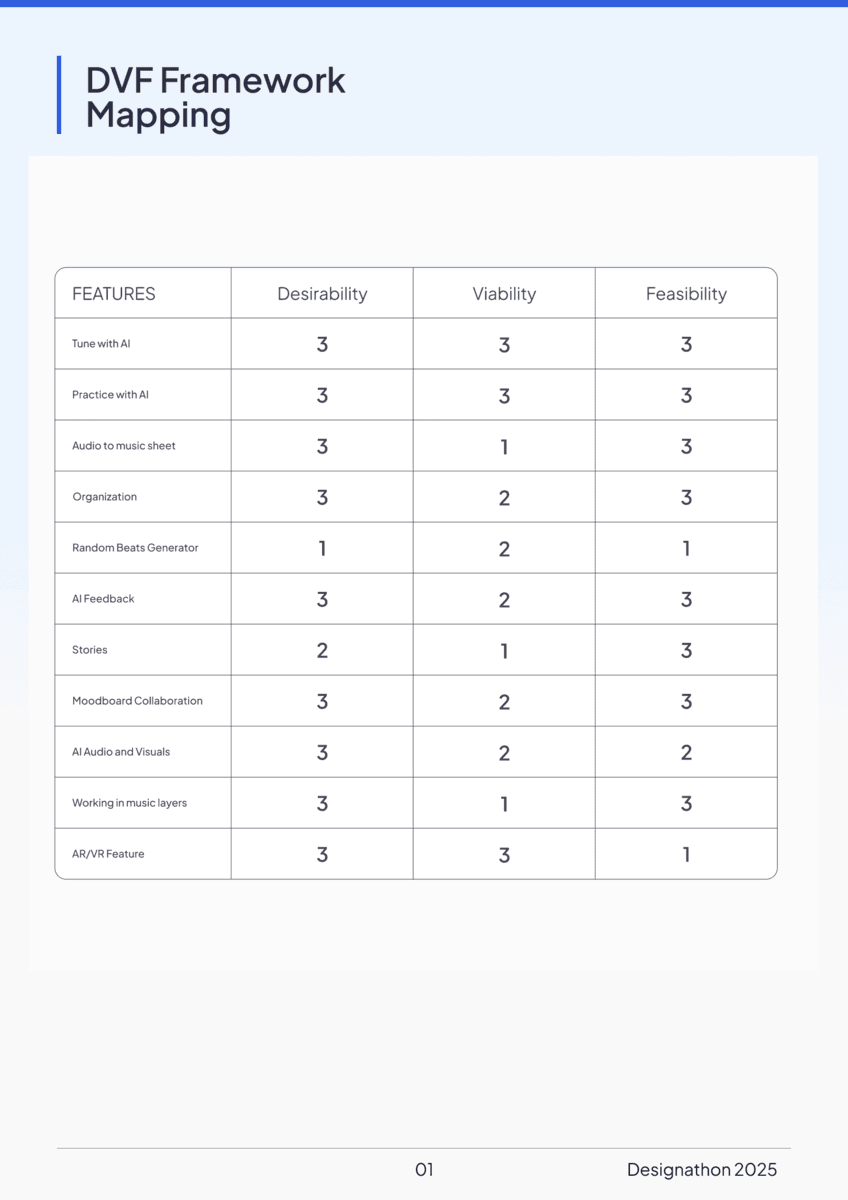
We went deep on our research and competitive insights, then put our thoughts on the whiteboard. Keeping the pain points and the market in mind, we noted the most-needed features on sticky notes. To prioritise, we used the DVF framework. (We took this seriously and missed our evening pav-bhaji break :P)
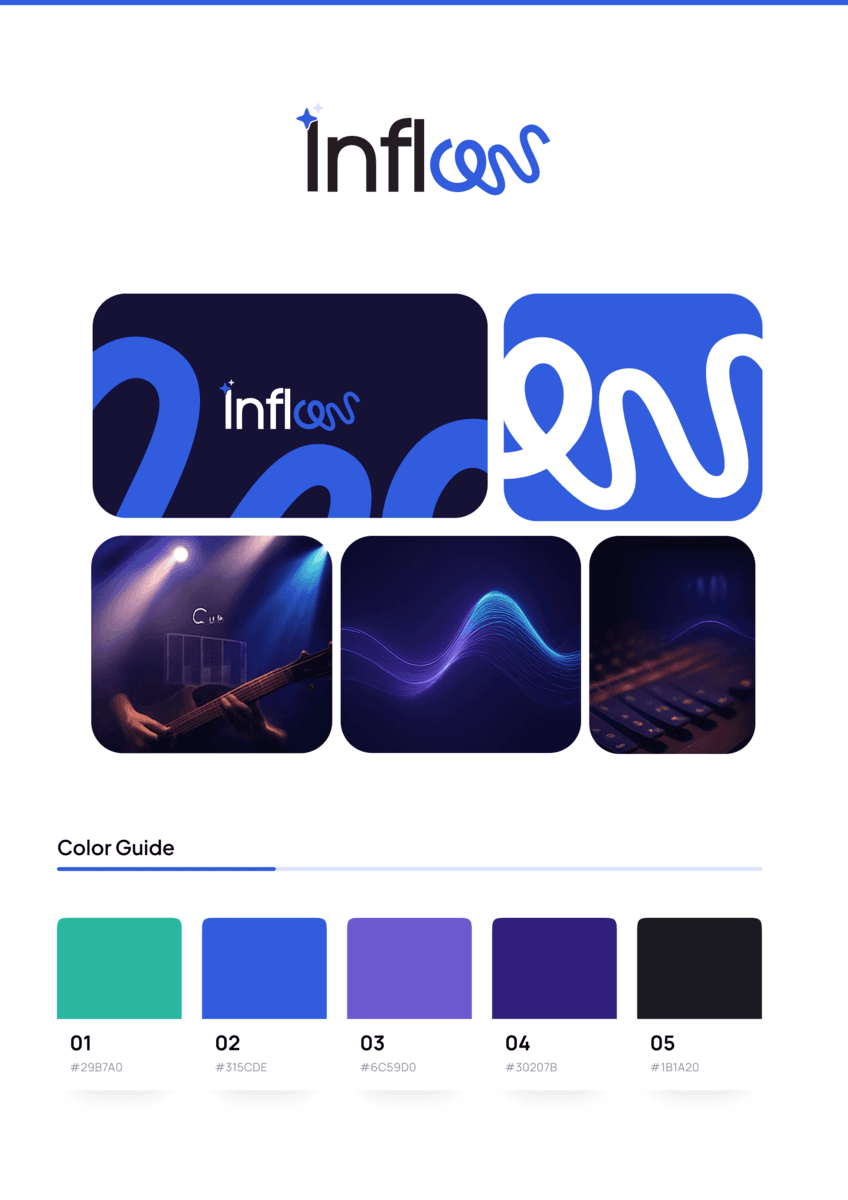
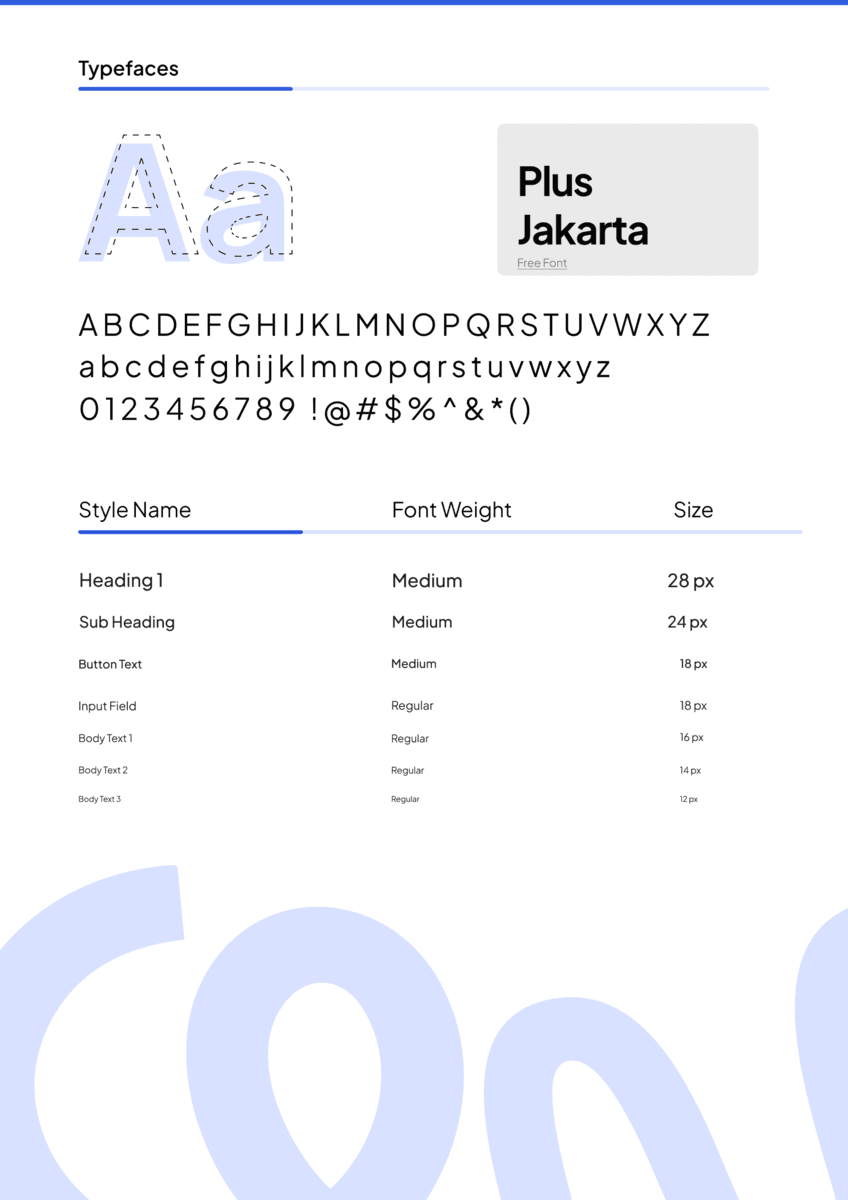
UI, typography, logo & colours
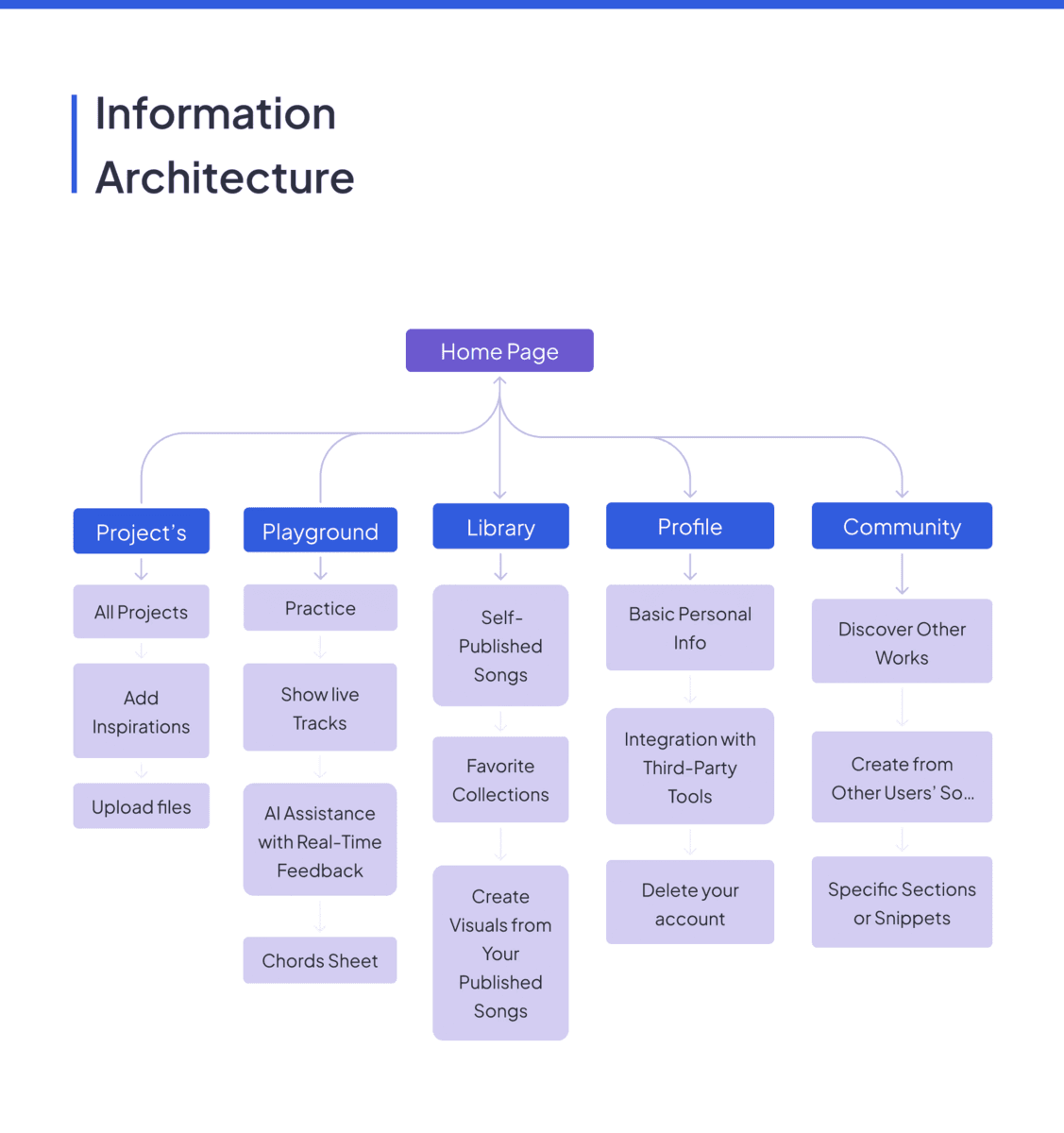
Information architecture
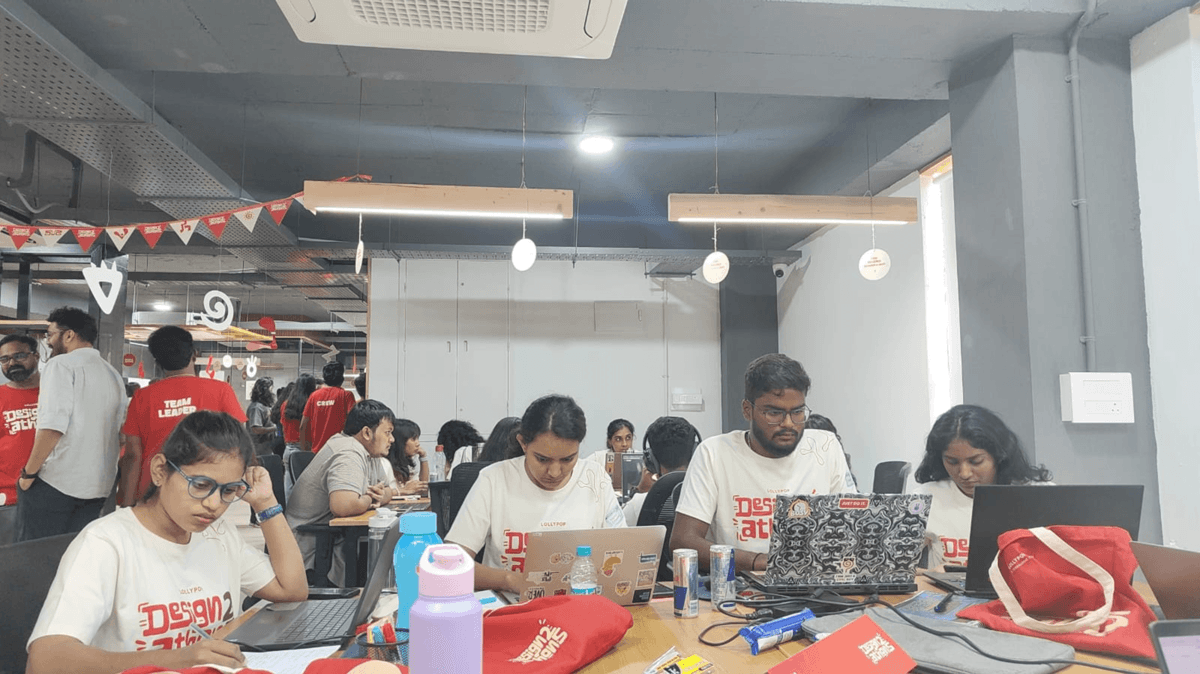
Hard at work at 3 AM 🌙
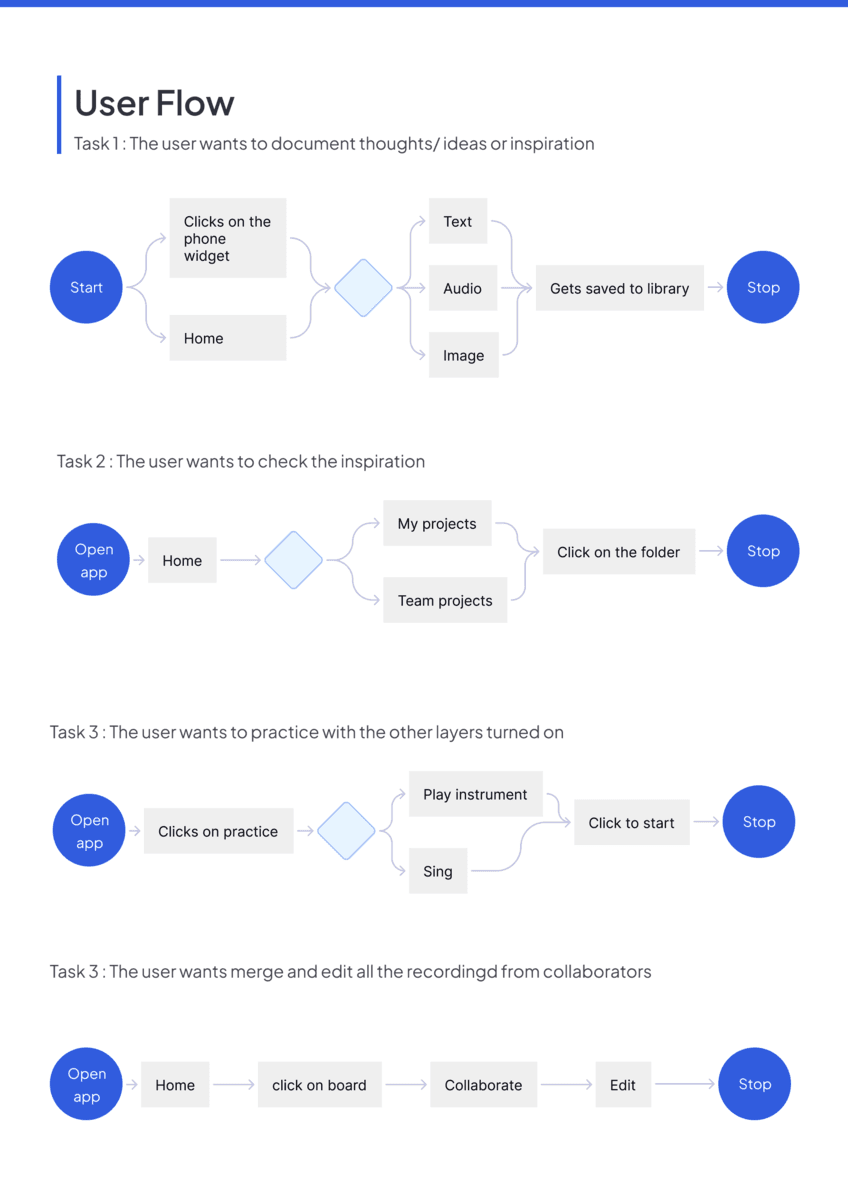
User flow
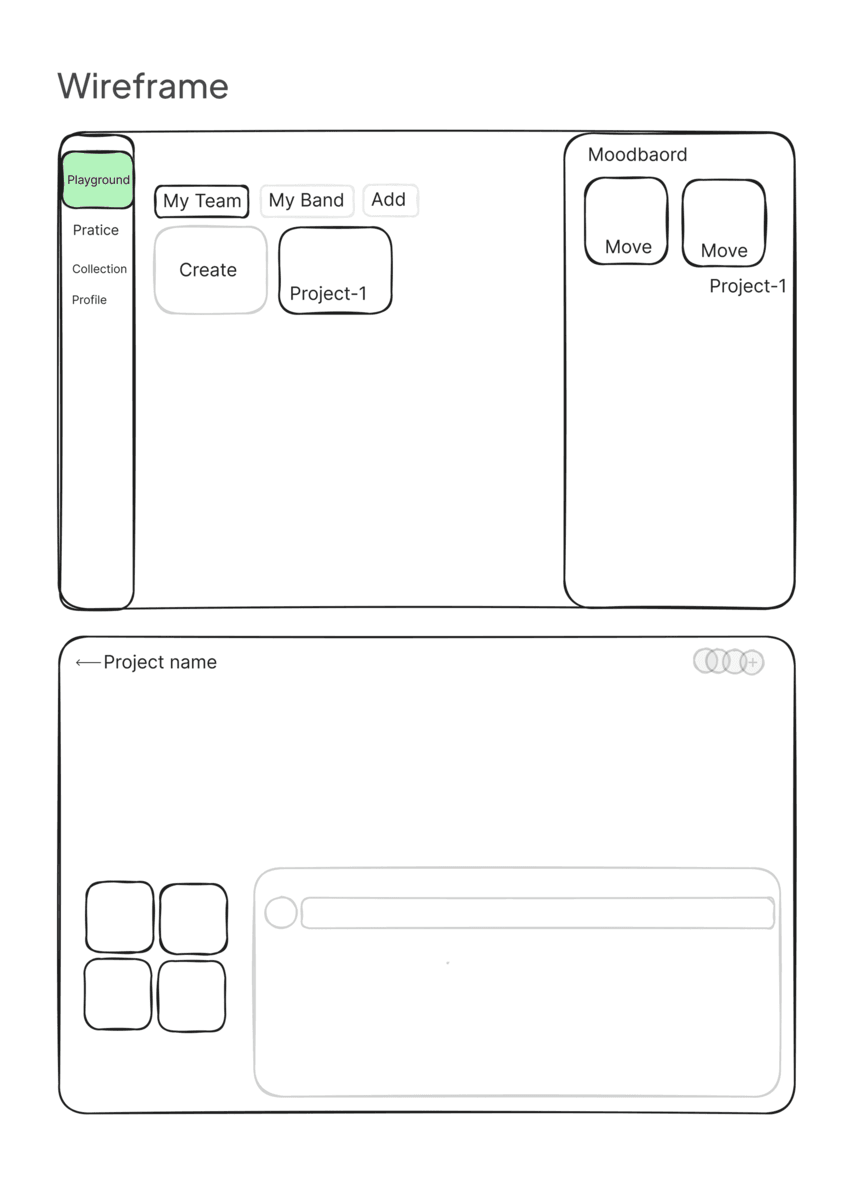
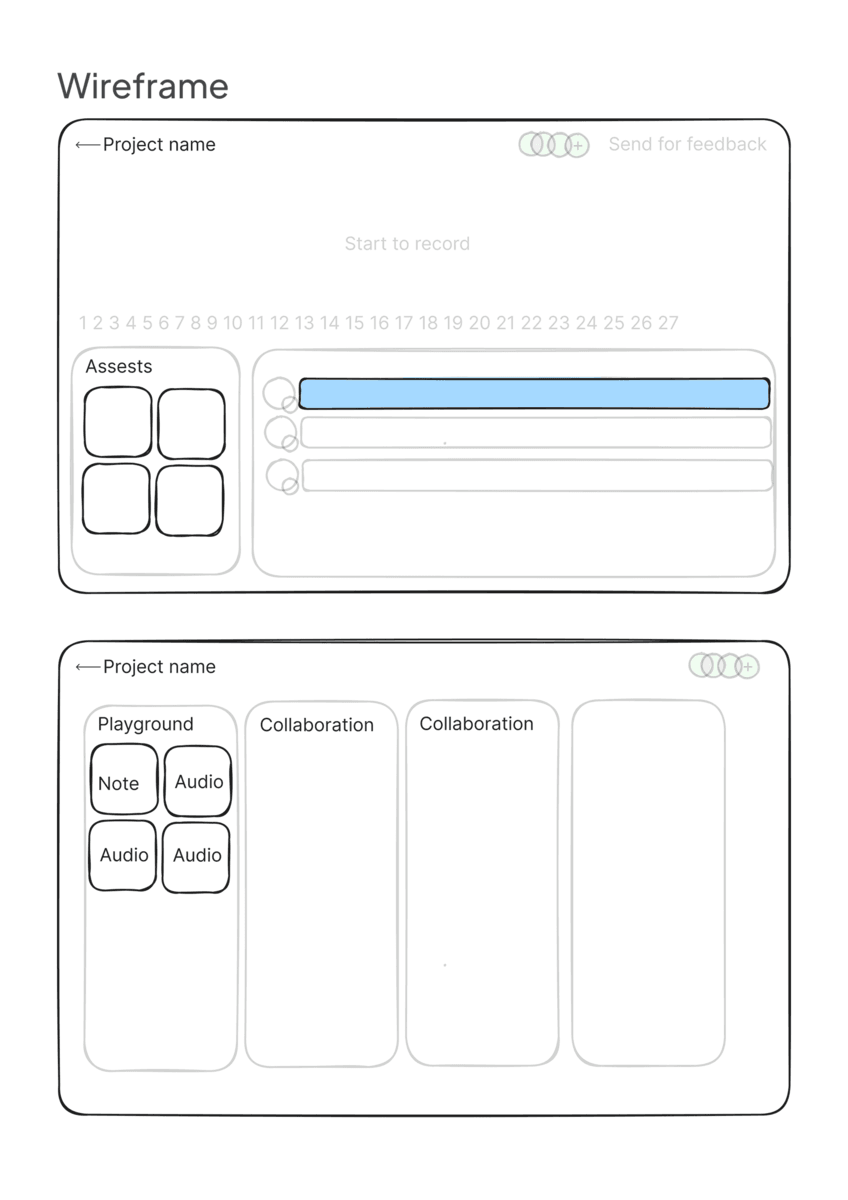
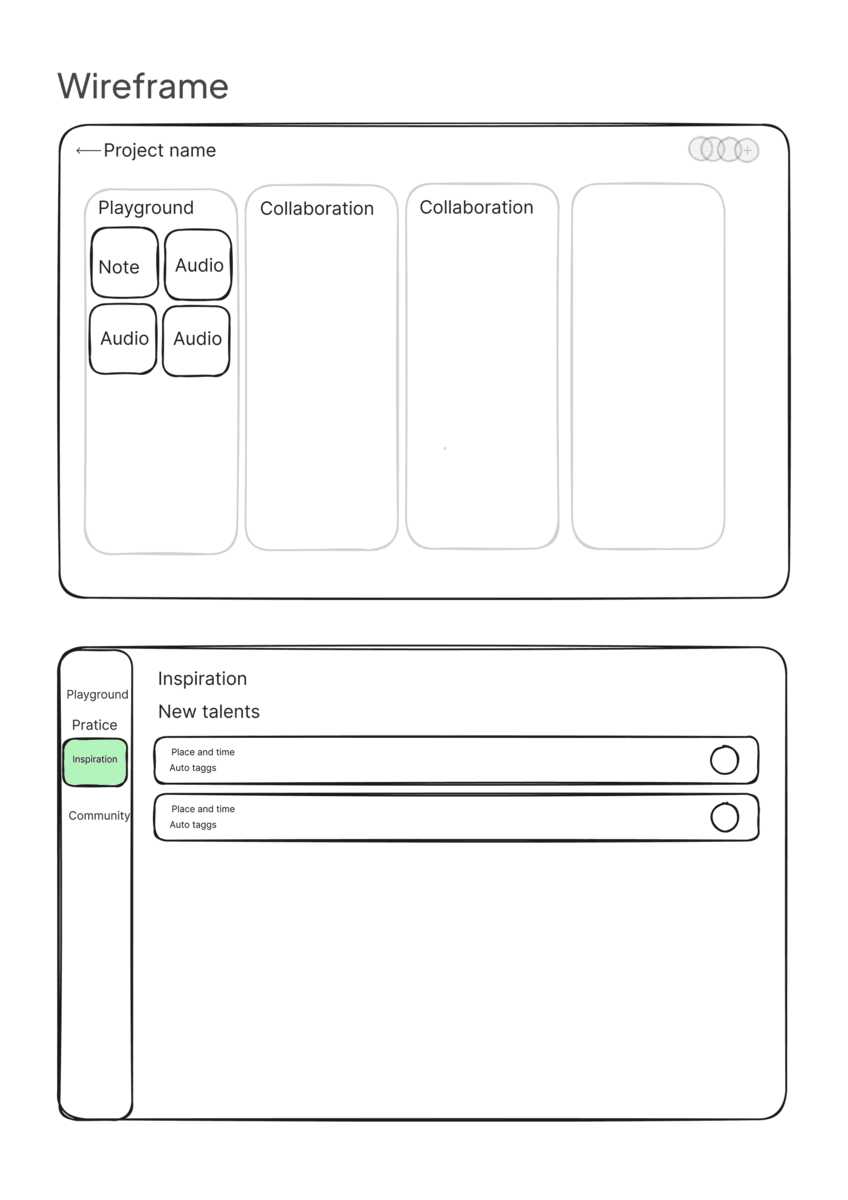
Wireframes
Hi-fidelity mockups
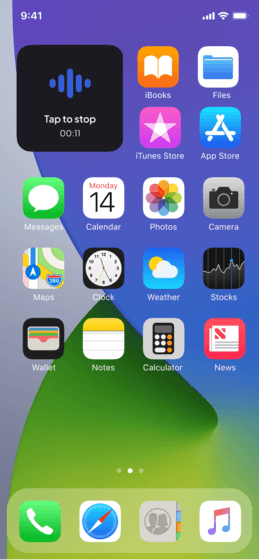
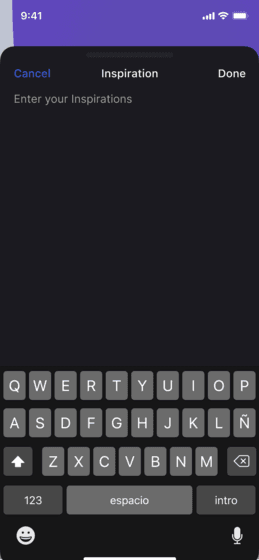
Our hi-fi mockups begin with the Inflow mobile widget, designed to help musicians capture ideas the instant they strike.
Interviews showed that inspiration appears at unpredictable moments, and musicians store ideas in many formats (voice notes, text, photos, videos) scattered across apps and folders, hard to find later.
The widget lets musicians save any idea with a single tap, in whichever format feels natural. Everything syncs automatically to the Inflow platform, staying organised in one place.
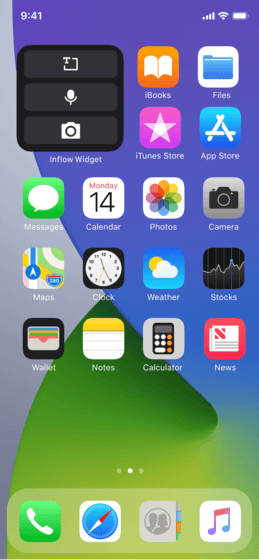
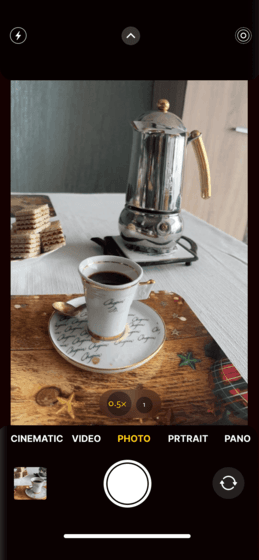
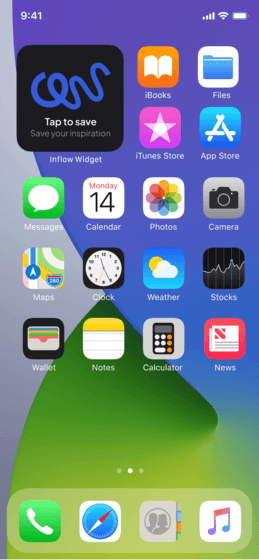
Capturing photo & video inspiration with the widget
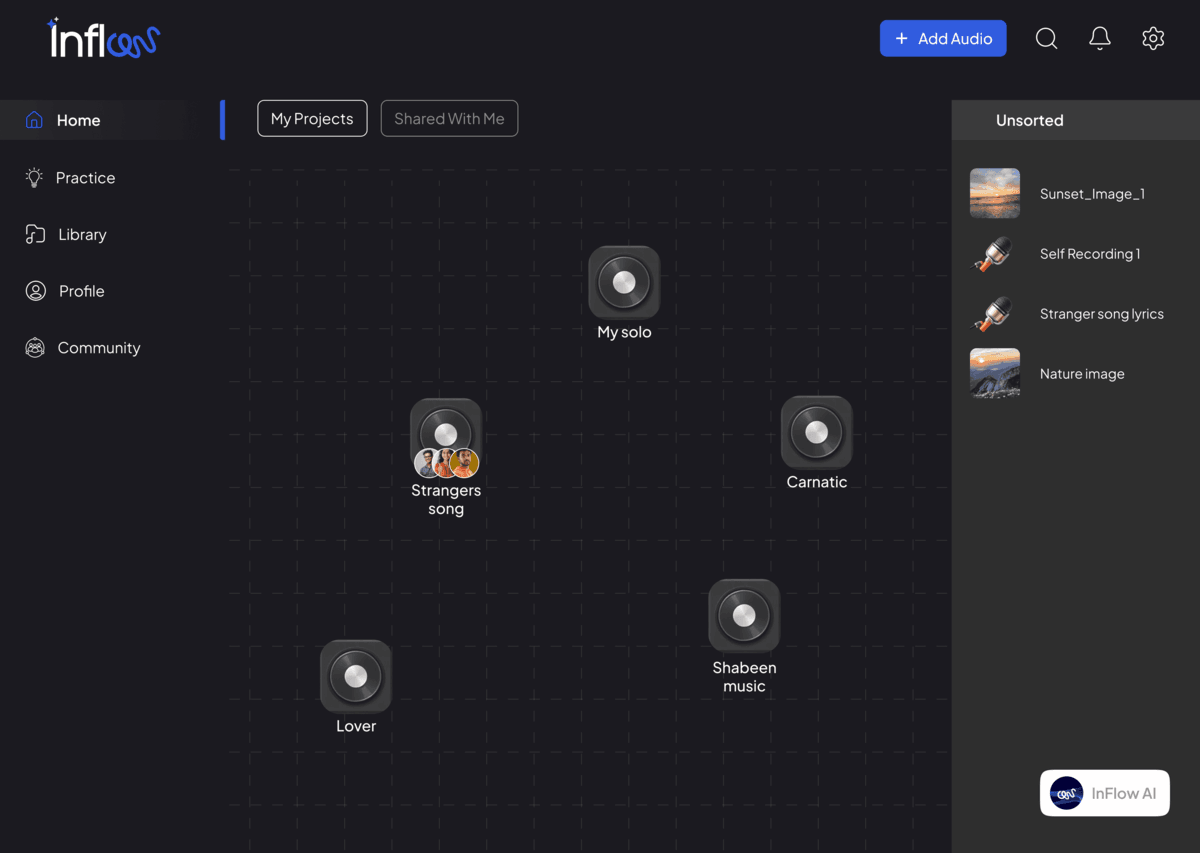
This is the main home screen of Inflow, where all projects are visually organised in one collaborative space. Each project appears as a node on the grid, a spatial way to browse and organise work.
The unsorted panel on the right shows new ideas captured via the widget or uploaded manually, ready to be dragged into any project. Users see both personal and band projects together, making it easy to switch between solo and group work.
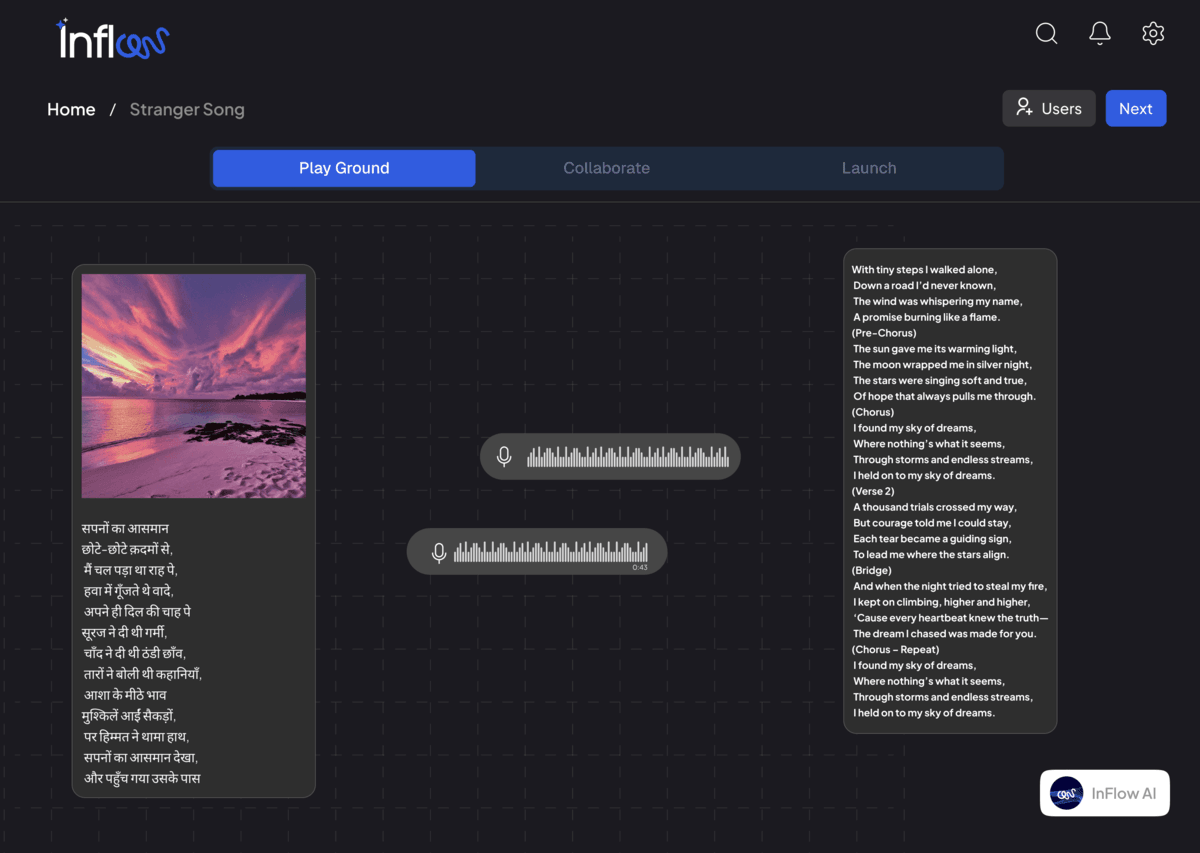
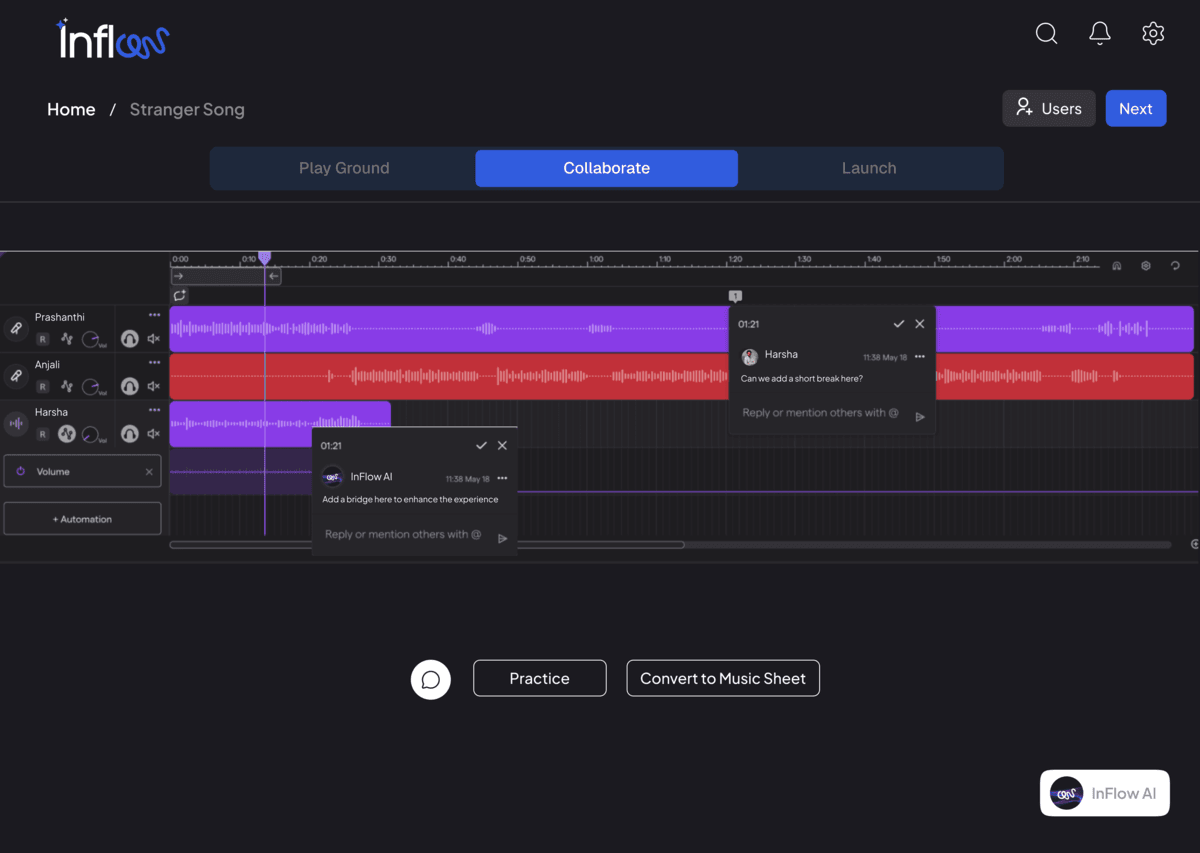
Playground & Collaborate
Inflow AI separates a song into clear layers (vocals, guitar, drums) for easier editing. The Playground shows all ideas the team has collected in one place: voice notes, lyrics, images, videos and references.
AI gives layer-specific suggestions while keeping the musician in full control to accept or reject them. It acts as a shared creative board where every bandmate's inputs and inspirations are visible, all designed around our insight that artists prefer AI as an assistant, not a creator.
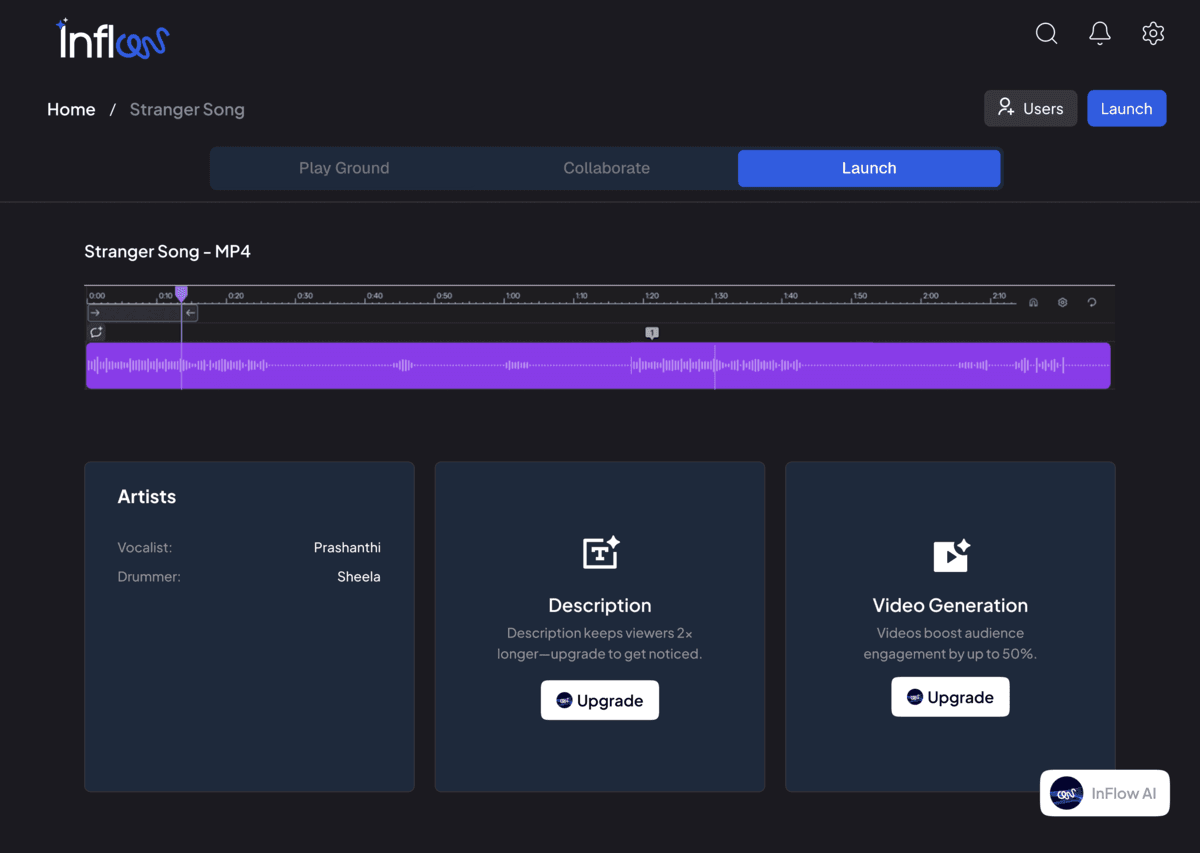
Launch
Once the song is final, musicians can generate videos, thumbnails, descriptions and titles for release. These advanced creation tools are part of the paid tier, forming the platform's revenue stream.
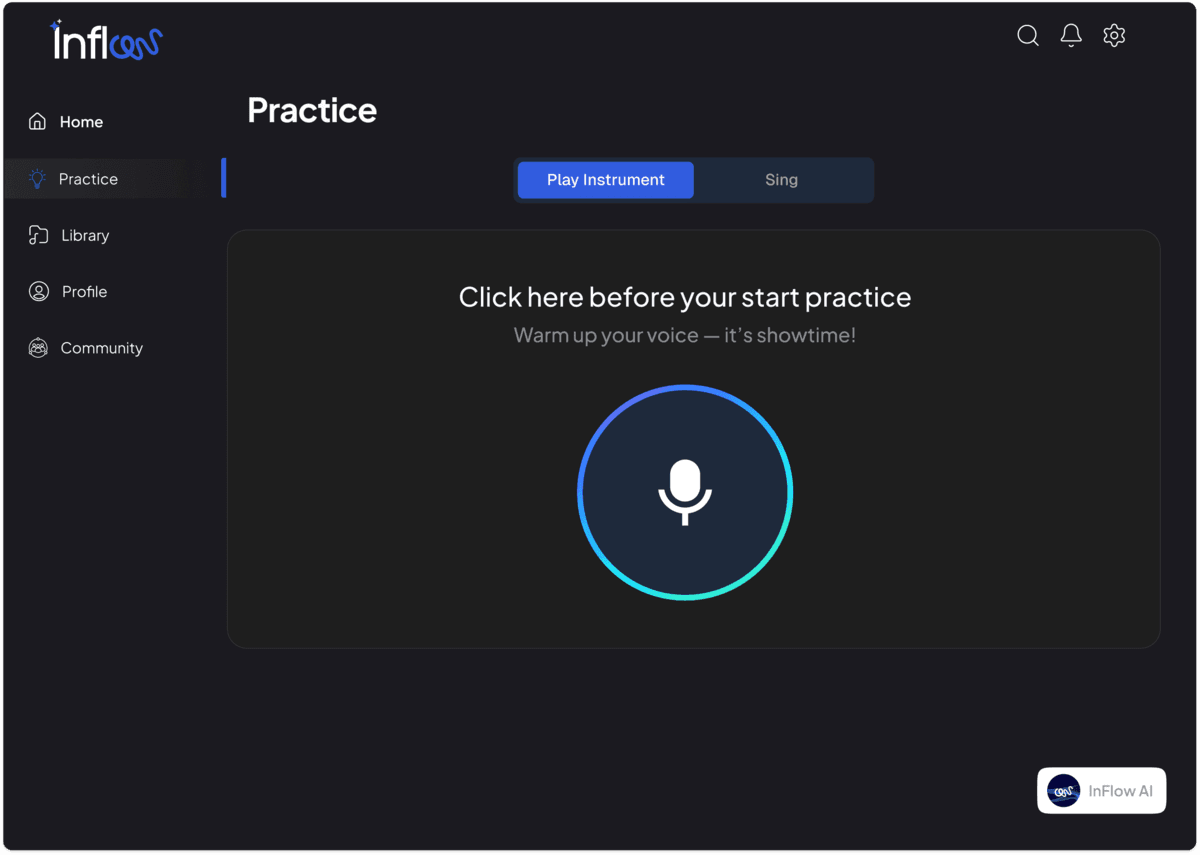
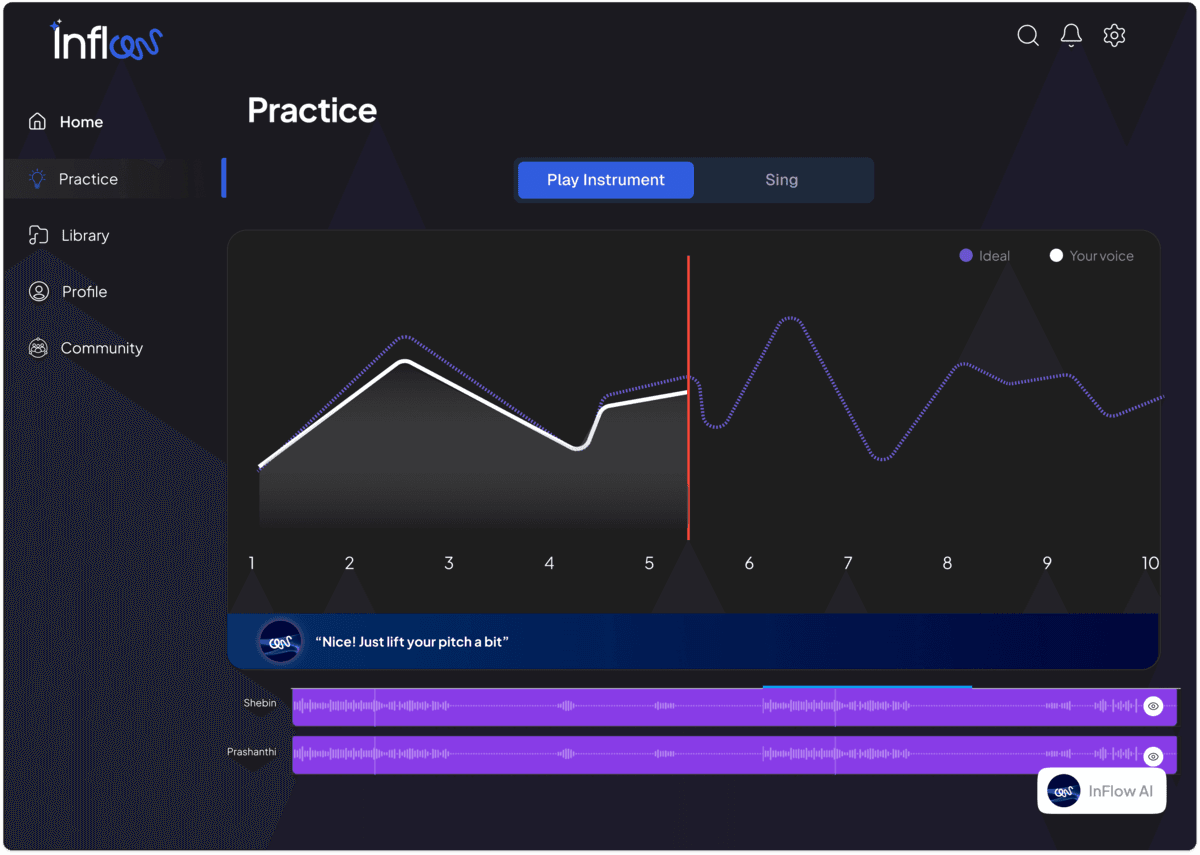
Practice
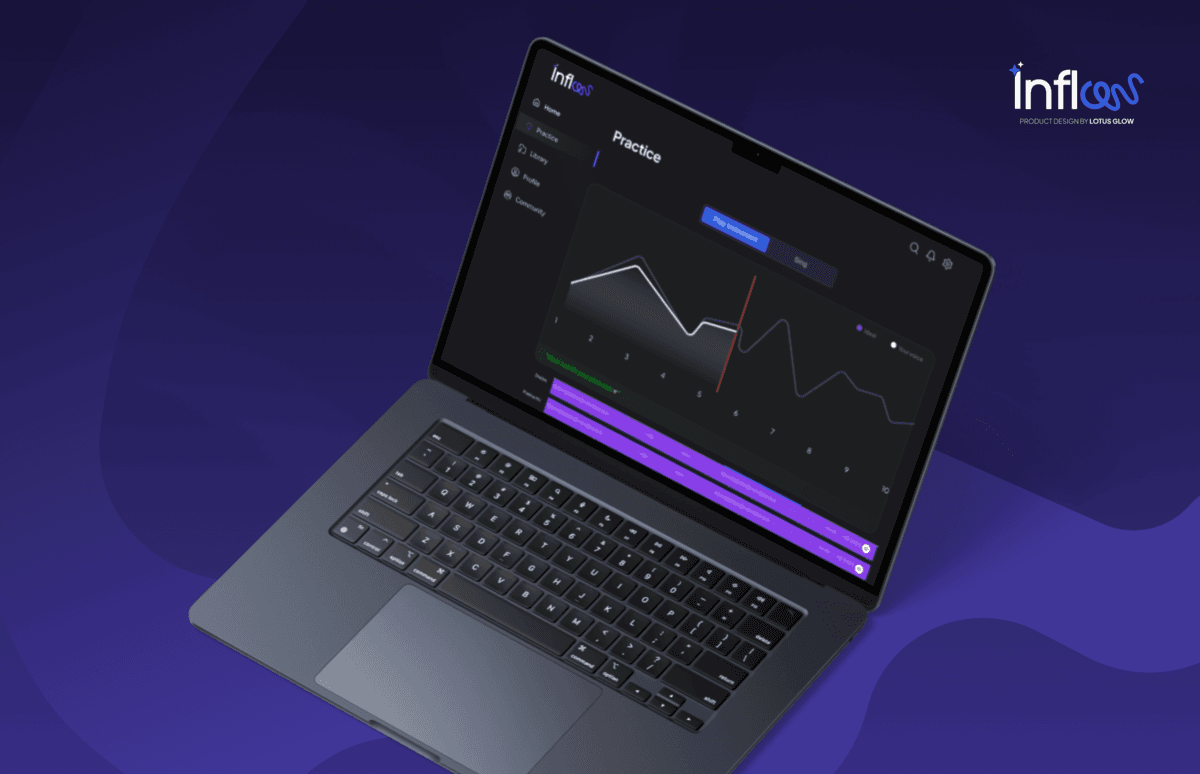
Our research showed that practicing alone often feels monotonous, even though regular practice is essential before band rehearsals. To make it engaging, we introduced Inflow AI as a practice companion for both vocals and instruments, giving real-time feedback on areas to improve.
This turns practice into a more productive, motivating experience, reducing procrastination and the feeling of practicing alone, so musicians stay prepared and keep improving before the next jam session.
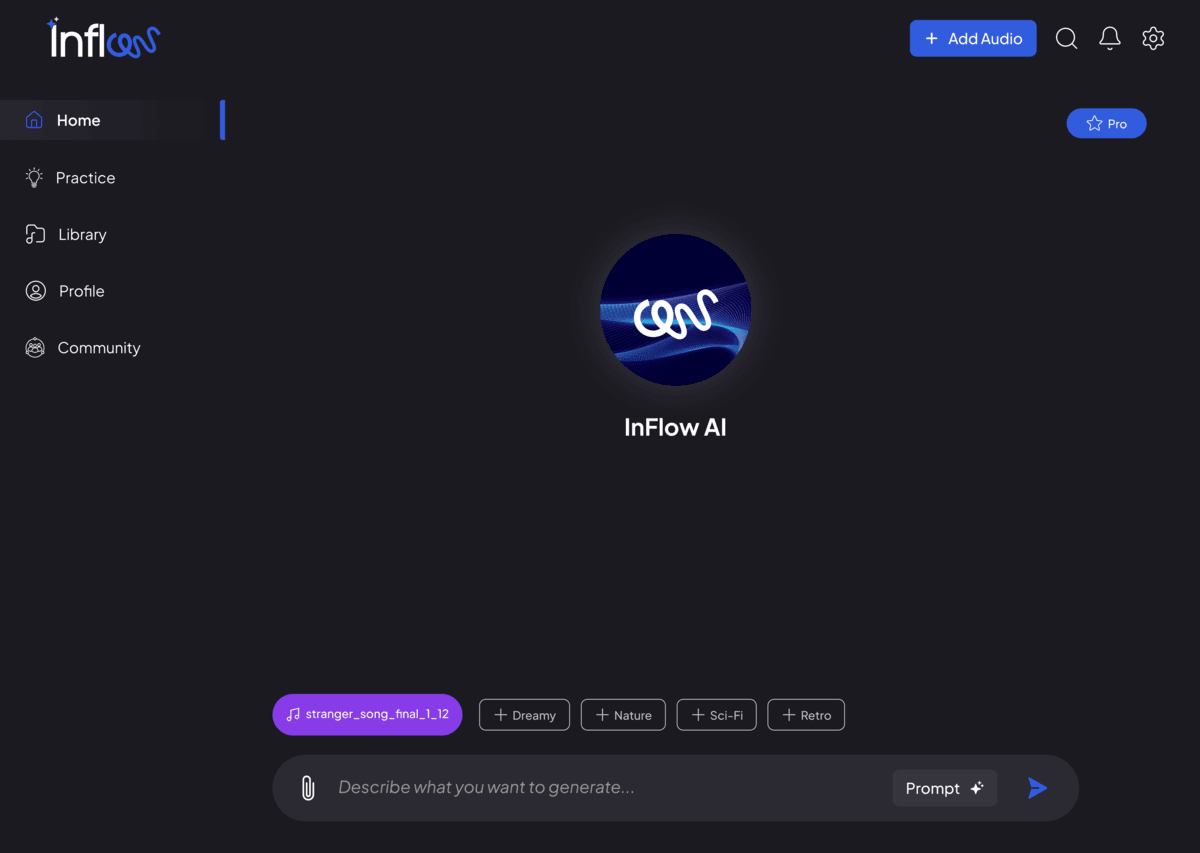
Inflow AI Agent
Users can upgrade to the pro version of our AI to unlock extra features like generating content, videos, images and other creatives for their songs.
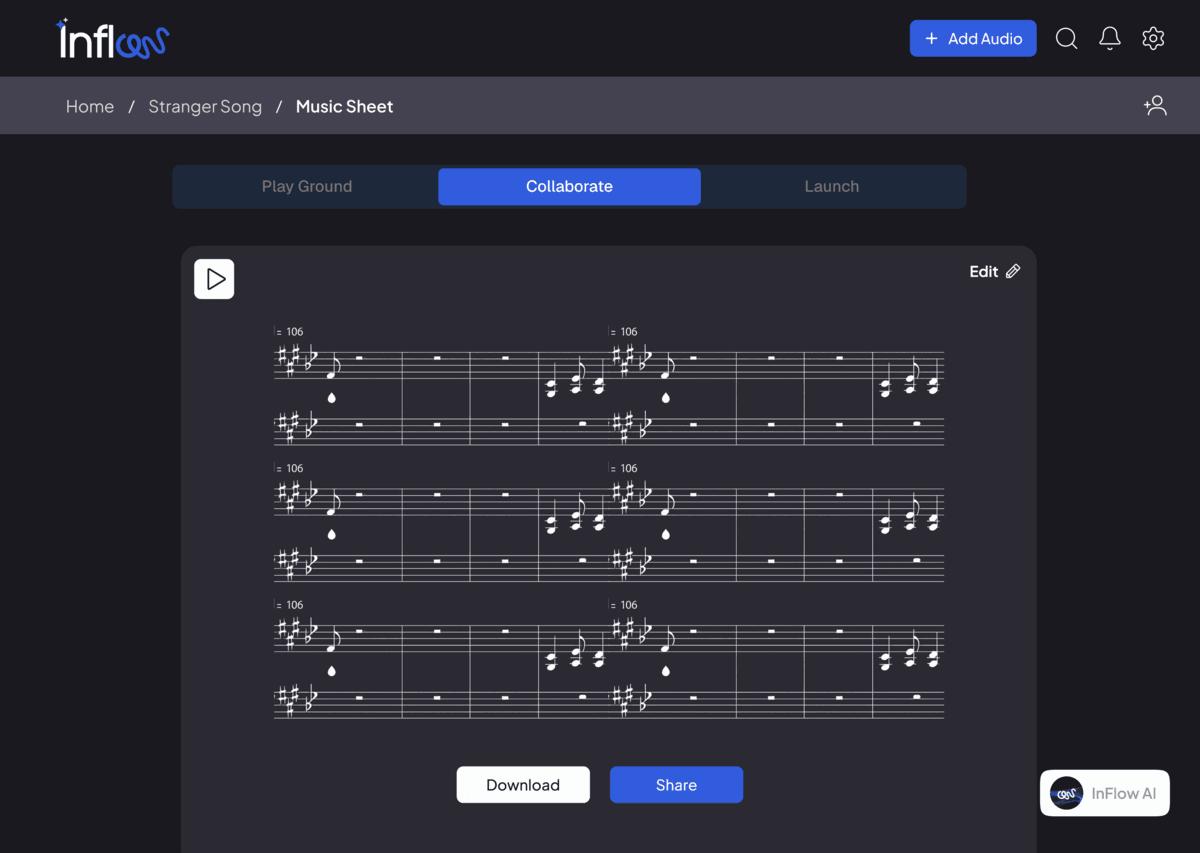
Music sheet generation
Musicians can use Inflow AI to generate music sheets for their students or bandmates, and share them easily.
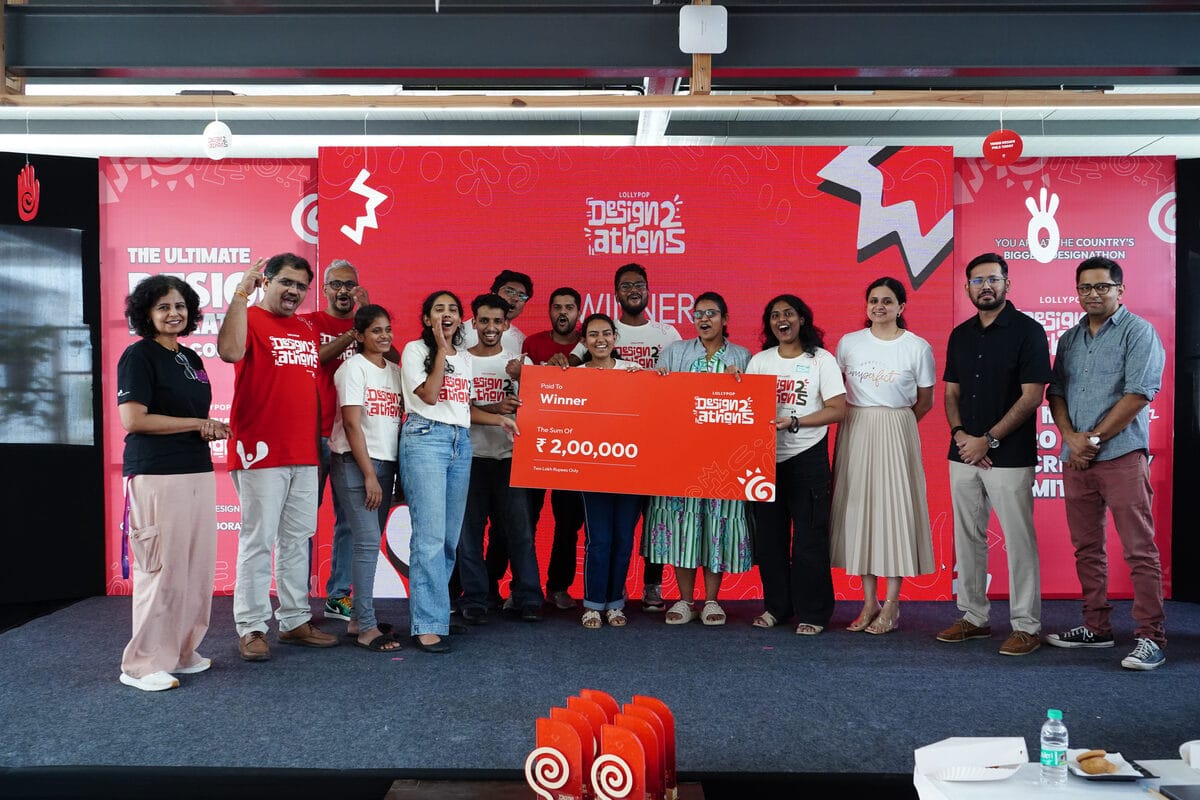
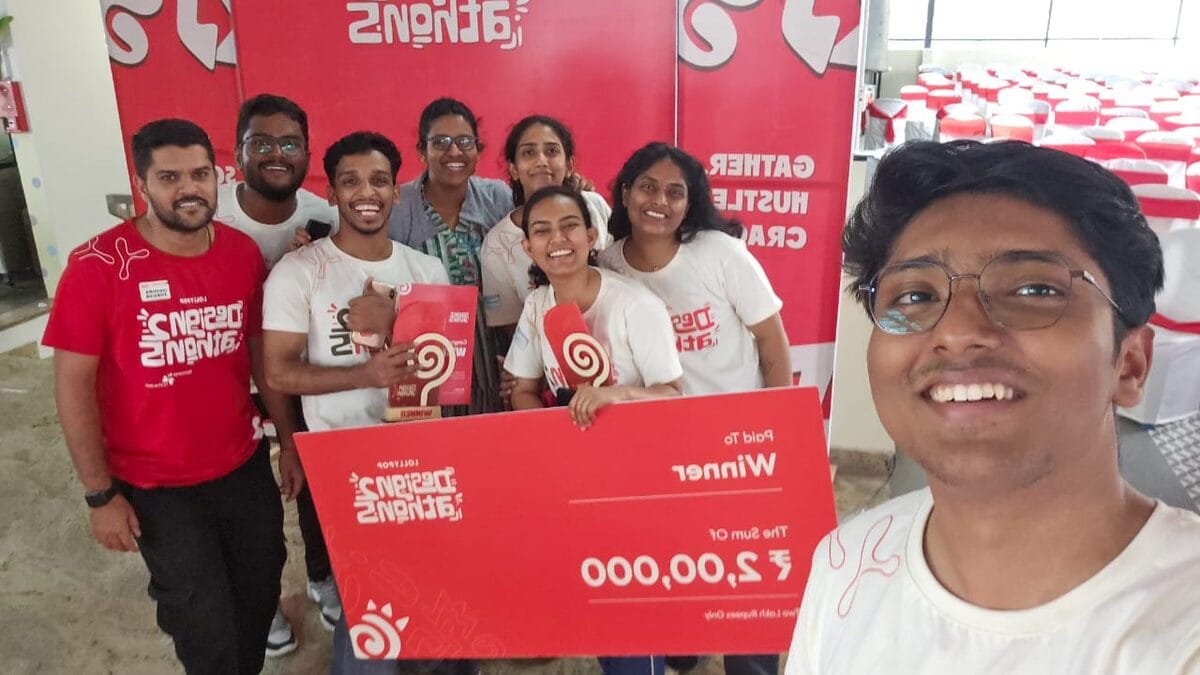
And we won!! 🏆
We submitted our product reel and case study at 6 AM, then went through two rounds of judging. Our team was selected among the top five to present on stage in front of leading industry experts.
The most rewarding moment came during the winner announcement. Leena Jacob, Director of UX at Target, said it was a unanimous decision and highlighted that our team showed clear communication, genuine empathy and crisp storytelling. A moment I'll never forget.
Thanks for reading.